
PEX vs PVC vs CPVC: Hot Water, Joining, Cost & Which to Use
PEX, PVC, and CPVC are three plastic pipes that look similar on a shelf but belong in very different parts of a building. Pick the wrong one and you get a failed hot-water line, a frozen-and-burst run, or a joint that won't hold — because these three differ on the two things that matter most: temperature and pressure. The short version is that PEX and CPVC handle hot water while ordinary PVC does not, and each joins and behaves differently. This guide compares PEX vs PVC vs CPVC head-to-head — on temperature, use, joining, flexibility, cost, and lifespan — so you match the pipe to the job the first time.
For the full picture on PEX itself, see the complete PEX pipe guide; this article compares it against PVC and CPVC.
Key Takeaways
- PVC is cold-water and drainage only — it is not rated for hot water.
- CPVC and PEX both handle hot water — the two choices for hot potable lines.
- PEX is flexible (coils, few joints, freeze-tolerant); PVC and CPVC are rigid, cut-and-glue pipe.
- Joining: PEX uses crimp/clamp/expansion fittings; PVC and CPVC use solvent-weld cement.
- Never mix cements or fittings across the three — each material needs its own.
- Rough fit: PVC = cold + drainage, CPVC = hot rigid, PEX = hot & cold flexible potable.

PEX vs PVC vs CPVC — Side by Side
The fastest way to see where each belongs is a direct comparison across the factors that decide a plumbing job.
Comparing three plastics is a start; for the full field including copper and galvanized, see all the main plumbing pipe types.
| Factor | PEX | PVC | CPVC |
|---|---|---|---|
| Hot water | Yes | No | Yes |
| Form | Flexible (coils) | Rigid | Rigid |
| Joining | Crimp / clamp / expansion | Solvent-weld (PVC cement) | Solvent-weld (CPVC cement) |
| Typical use | Hot & cold potable | Cold water, drainage, DWV | Hot & cold potable |
| Freeze tolerance | Good (expands) | Poor (brittle) | Poor (brittle) |
| Joints in walls | Few (home-run) | Many glued joints | Many glued joints |
| Relative cost | Low–moderate | Lowest | Moderate |
The Big Divide: Hot Water
The first question to ask is whether the line carries hot water, because it eliminates one material immediately. Ordinary PVC is not rated for hot water — it softens and can fail at hot-water temperatures, so it's a cold-supply, drainage, and vent material only. Putting PVC on a hot line is one of the most common and most dangerous plumbing mistakes. CPVC (chlorinated PVC) is chemically modified to withstand higher temperatures, so it handles hot potable water and is a rigid hot-and-cold pipe. PEX also handles hot water and is rated by a chlorine-resistance class for hot recirculating systems. So for a hot line the real choice is CPVC vs PEX, not PVC; for a cold-only or drainage line, PVC is the economical default. This single temperature question resolves most of the decision before any other factor comes into play.
PVC: Cold Water and Drainage
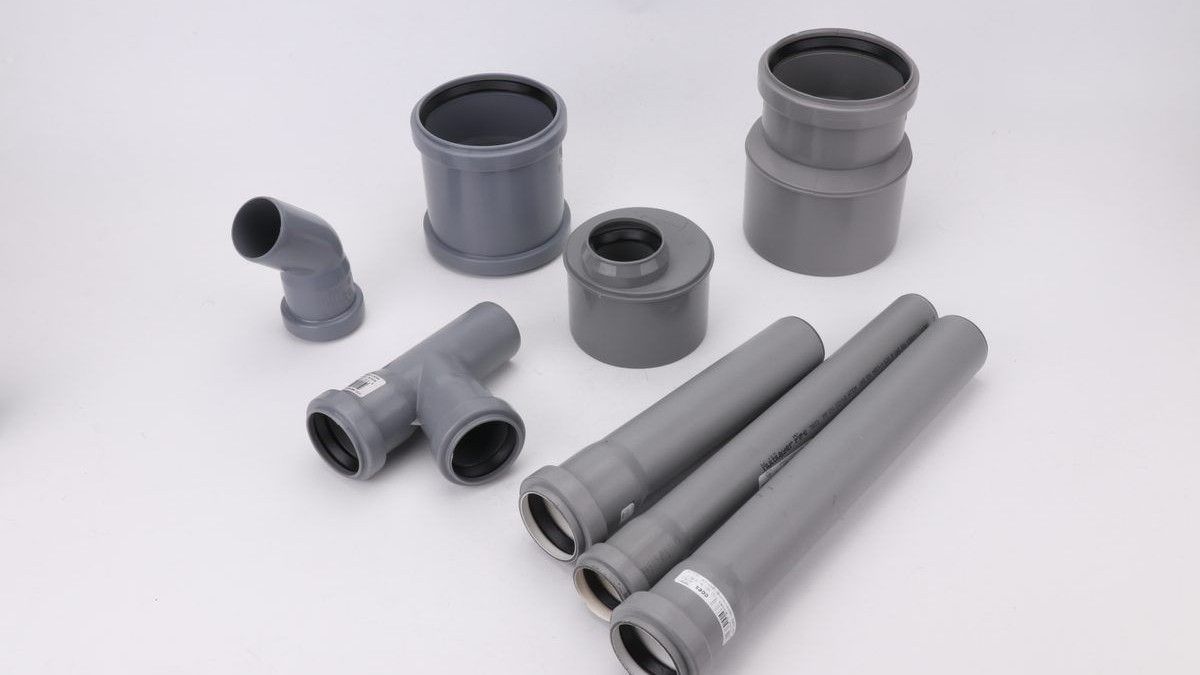
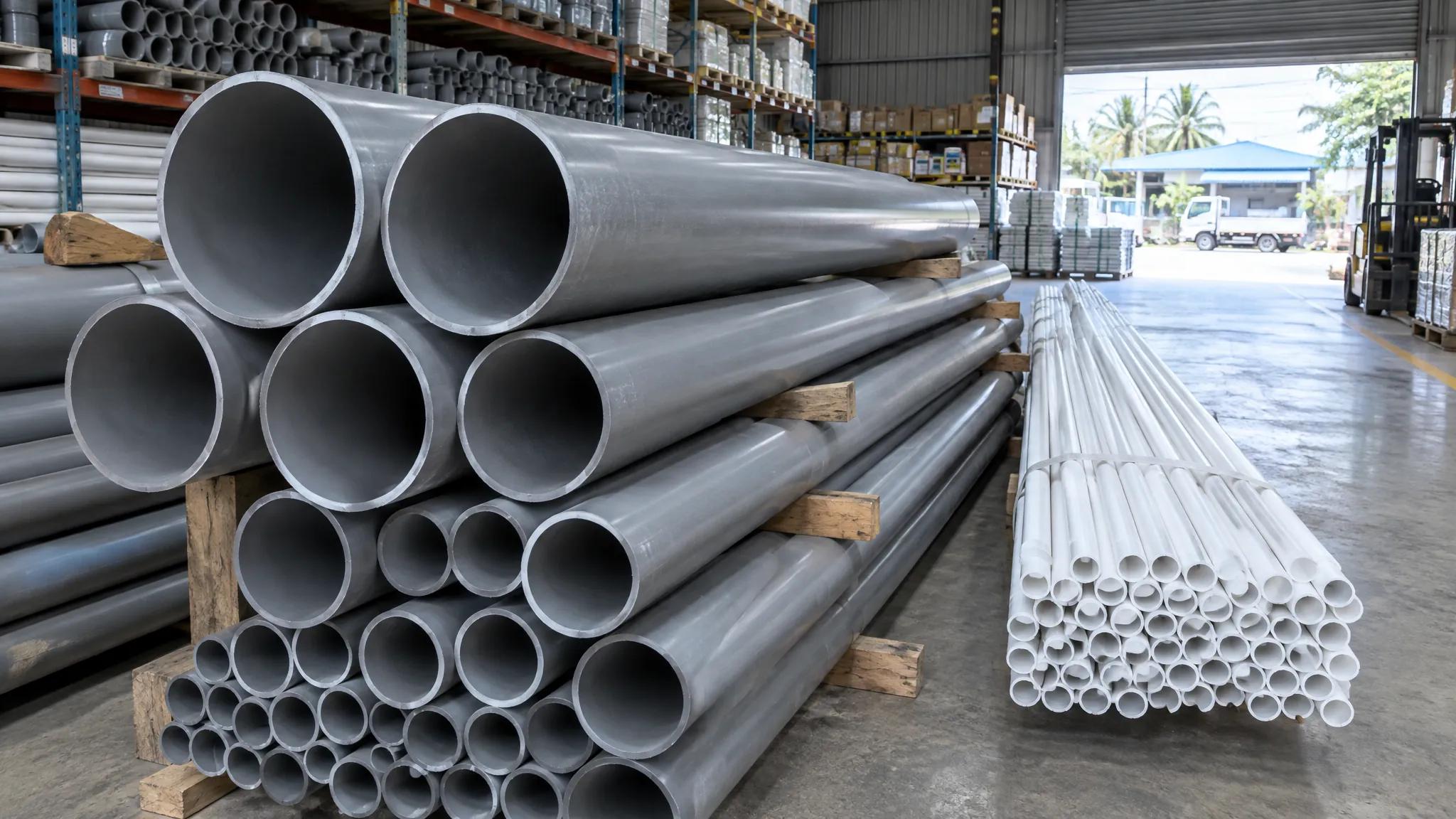
PVC is the cheapest and most widely used of the three, and for good reason within its lane. It's rigid, strong under cold pressure, chemically resistant, and easy to solvent-weld into permanent joints. Its home is cold-water supply, irrigation, and — as DWV pipe — drainage, waste, and vent systems. It comes in pressure schedules (40 and 80) for pressure lines and a drainage family for gravity flow. What PVC cannot do is carry hot water, and it's relatively brittle, so it's poorly suited to freeze-prone runs. For a cold main, a sprinkler line, or a drainage stack, PVC is the economical, proven choice. Just keep it off hot lines and out of applications where flexibility or freeze tolerance matter. For the PVC material family in depth, see PVC vs UPVC vs CPVC.
CPVC: Rigid Hot-Water Pipe
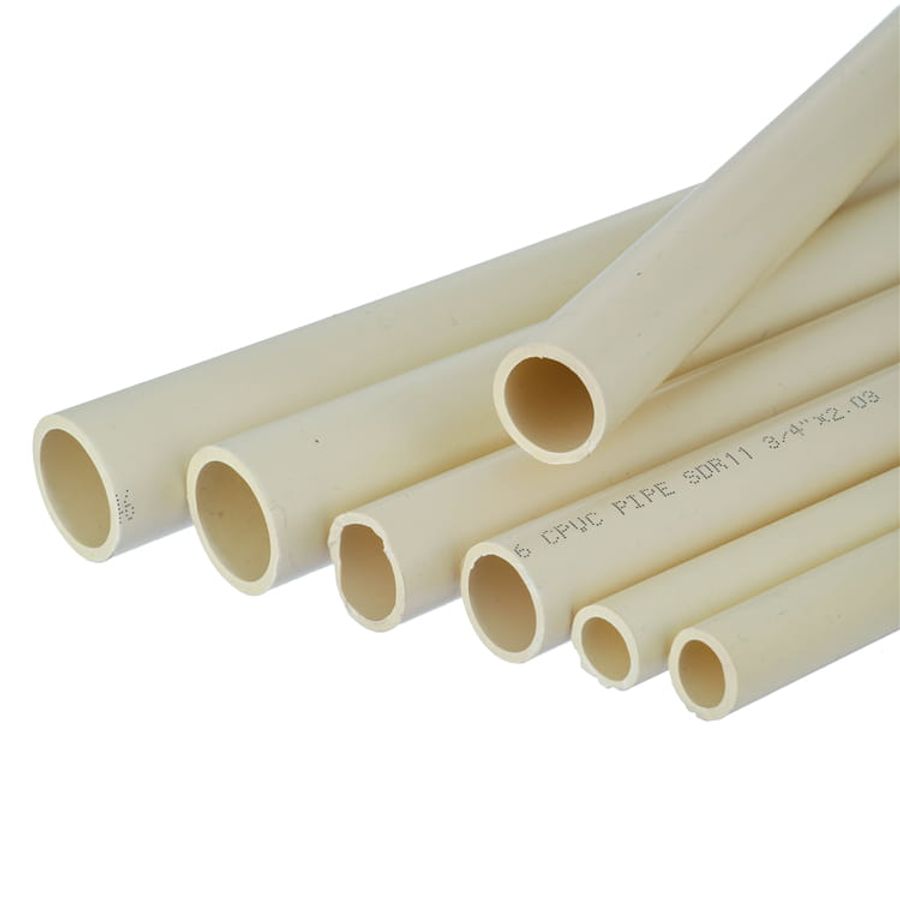
CPVC takes PVC's chemistry and chlorinates it so it withstands higher temperatures, making it a rigid hot-and-cold potable pipe. It installs much like PVC — cut and solvent-weld — but with its own CPVC cement, which is not interchangeable with PVC cement. CPVC is a solid choice where a rigid hot-water pipe is wanted, it resists corrosion and scale, and it's commonly used in regions and buildings where rigid pipe is preferred. Its limitations mirror PVC's on the physical side: it's rigid and relatively brittle, so it needs many glued joints and doesn't tolerate freezing well. CPVC also becomes more brittle with age and can be sensitive to certain chemicals and fittings. Where you want a rigid hot pipe and don't need flexibility or freeze tolerance, CPVC works; where flexibility, fewer joints, or freeze resistance matter, PEX is usually the better hot-line choice.
PEX: Flexible Hot and Cold
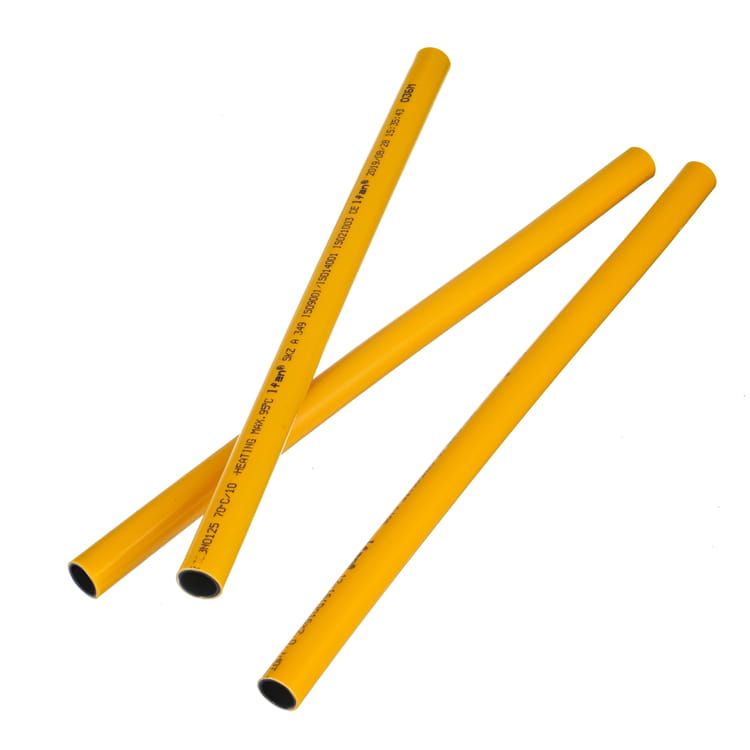
PEX is the flexible option, and that flexibility changes how a system is built. Because it bends around corners and ships in long coils, PEX runs from a manifold to each fixture with few or no joints in between — fewer concealed connections to fail. It carries hot and cold potable water, tolerates freezing far better than rigid pipe (it expands rather than shattering), and installs fast with crimp, clamp, or expansion fittings instead of glue and cure time. Its trade-offs: it must be kept out of direct sunlight (UV degrades it), it needs the right chlorine-rated grade for hot recirculating lines, and it uses more total pipe in a home-run layout. For most modern hot-and-cold potable plumbing — especially retrofits and freeze-prone builds — PEX's flexibility, freeze tolerance, and speed make it the default. Compare it against metal in PEX vs copper pipe.
Joining and Compatibility — Don't Mix Them
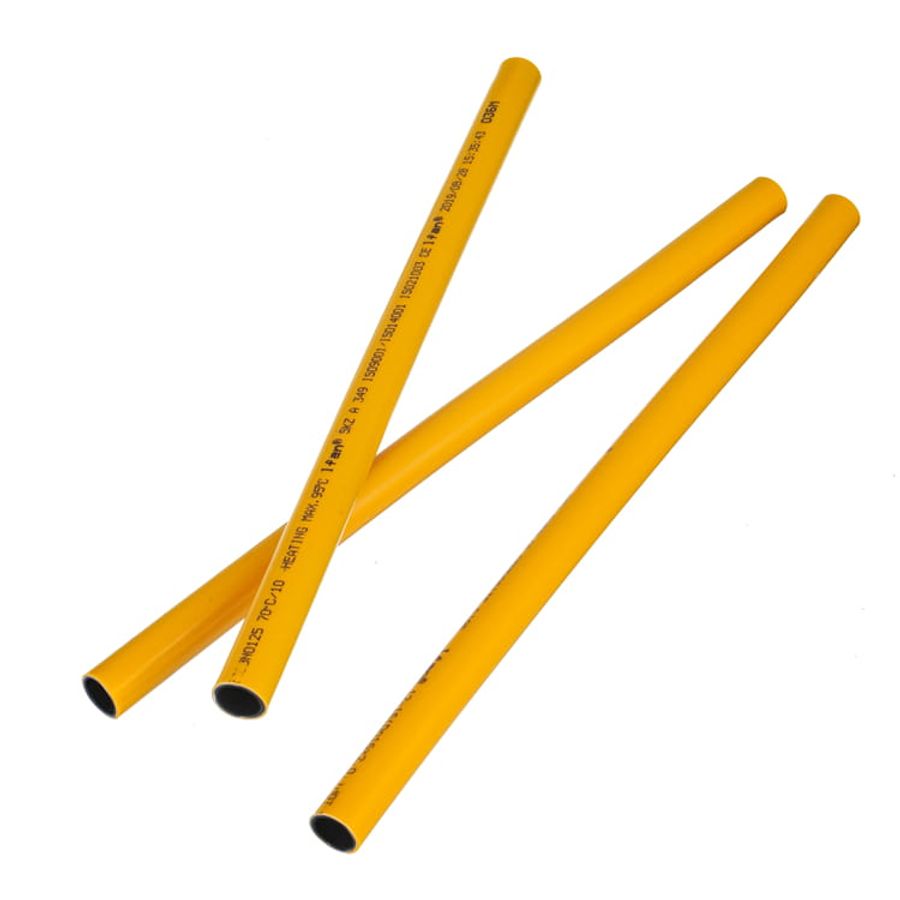
Each material has its own joining method and its own consumables, and mixing them is a failure risk. PEX uses mechanical fittings — crimp rings, clamp rings, or cold-expansion — covered in our PEX fittings guide; no glue. PVC solvent-welds with PVC cement (and primer). CPVC solvent-welds with CPVC cement — not PVC cement. Using PVC cement on a CPVC joint, or a PVC fitting on a hot CPVC line, is a classic failure. Where you need to transition between materials — say PEX to a CPVC or metal section — use a proper transition fitting rated for the junction, typically a brass adapter. The safe rule: keep each material with its own fittings and cement, and bridge between systems only with a purpose-made transition fitting. Never improvise a cross-material joint.
Cost and Lifespan
On material cost, PVC is cheapest, CPVC sits in the middle, and PEX is low-to-moderate — but material price isn't the whole cost. PEX installs faster (no cure time, fewer joints), which often makes it cheaper installed even when the pipe costs a little more; PVC and CPVC add labour in cut-prime-glue-cure cycles and many joints. On lifespan, all three are long-lived within their rated use: PVC and CPVC can last decades when kept within temperature and pressure limits and out of UV; PEX lasts decades when kept out of sunlight and matched to the right chlorine class for hot lines. The real lifespan killers are misuse — PVC on hot water, any of them frozen, PEX in sunlight, or the wrong cement — not the material itself. Match the pipe to the job and any of the three delivers a long service life; mismatch it and even the best pipe fails early.
Not sure which pipe fits your project?
Tell us the application — hot, cold, or drainage — and we'll quote matched PEX, PVC, or CPVC pipe, fittings, and the right cement from one source.
Request a QuotePressure, Sizing, and Standards
The three pipes are also sized and rated differently, which matters when you spec a system. PVC and CPVC follow the schedule system (Schedule 40 and 80) or a pressure class, where the pressure rating falls as diameter rises and de-rates as temperature climbs — so a CPVC hot line is rated below the same pipe running cold. PEX is rated by a pressure-and-temperature curve and a chlorine-resistance class, and is sized by nominal or metric OD rather than schedule. Because the sizing conventions differ, fittings never cross between the materials — a PVC fitting isn't a CPVC fitting isn't a PEX fitting. When you specify any of the three, check the pressure rating at the actual working temperature (not just the cold figure), match the standard for your market, and keep pipe and fittings in one material and one sizing system. Getting the pressure-at-temperature right is what stops a hot line being under-rated at the very condition it runs in.
Which Pipe Should You Use?
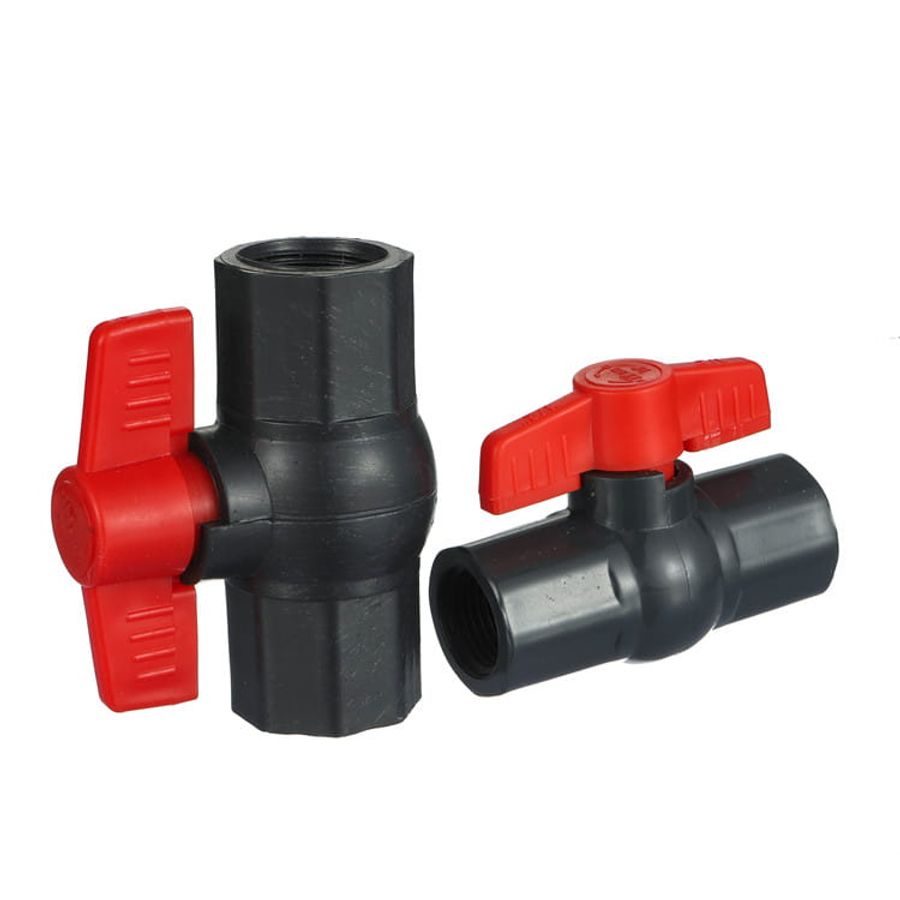
Cold water, irrigation, or drainage → PVC. Cheapest, proven, rigid — as long as it stays cold and above freezing.
Hot water, rigid pipe preferred → CPVC. When you want a solvent-welded rigid hot line and don't need flexibility or freeze tolerance.
Hot and cold, flexibility or freeze tolerance → PEX. The default for modern potable plumbing, retrofits, and cold climates — fast, flexible, fewer joints.
Freeze-prone runs → PEX. It expands rather than bursting, unlike rigid PVC and CPVC.
Frequently Asked Questions
Can PVC be used for hot water like PEX or CPVC?
No. Ordinary PVC is not rated for hot water — it softens and can fail at hot-water temperatures, so it's for cold supply, irrigation, and drainage only. For hot water, use CPVC (chlorinated PVC, rigid) or PEX (flexible). Putting PVC on a hot line is one of the most common and dangerous plumbing mistakes.
Is PEX better than CPVC for hot water?
Both carry hot potable water. PEX is flexible, installs faster with mechanical fittings, has fewer joints, and tolerates freezing far better; CPVC is rigid, solvent-welded, and preferred where a rigid pipe is wanted. PEX is usually the better choice for retrofits, freeze-prone runs, and speed; CPVC suits rigid-pipe installs. Match the chlorine-rated PEX grade to hot recirculating lines.
Can I join PEX to PVC or CPVC?
Only with a proper transition fitting — typically a brass adapter that takes a mechanical connection on the PEX side and a thread or solvent-weld on the other. You cannot solvent-weld PEX, and you must never use PVC cement on CPVC. Keep each material with its own fittings and cement, and bridge between systems only with a purpose-made transition fitting.
Which is cheapest — PEX, PVC, or CPVC?
PVC is cheapest on material, CPVC is in the middle, and PEX is low-to-moderate. But installed cost differs: PEX installs faster with no cure time and fewer joints, which can make it cheaper overall despite a higher pipe price, while PVC and CPVC add labour in cut-prime-glue-cure cycles. Compare installed cost for your job, not just the price per metre.