
How to Choose a Brass Ball Valve Manufacturer (Bulk Sourcing)
Sourcing brass ball valves in bulk is a different job from buying a few off a shelf. The valve that looks identical in two quotes can be forged or cast, lead-free or leaded, 100% tested or spot-checked, certified for your market or not — and the supplier behind it can be a real factory or a trader who disappears when a container arrives wrong. For a distributor, contractor, or project buyer, choosing the manufacturer well is what protects the order. This guide walks through how to vet a brass ball valve manufacturer: how to tell a factory from a trader, what to check on the product, what to specify, the commercial terms that matter, and the warning signs that should stop an order.
If you're still settling the product spec, start with the complete brass ball valve buyer's guide; this article is about sourcing it reliably.
Key Takeaways
- Confirm the supplier is a manufacturer, not a trader — it changes accountability and price.
- Ask whether they forge and machine in-house and can show the line and the test station.
- Specify alloy, port, pressure, connection, thread, and certification in writing.
- Insist on verifiable certificates (CE/ACS/WRAS/SASO/potable) that name the product.
- Clarify MOQ, lead time, OEM capability, and stock up front.
- A price far below the market usually means a downgrade you can't see.

Manufacturer or Trader — Know Who You're Buying From
The first thing to establish is whether your supplier actually makes the valve. A large share of brass valves offered to overseas buyers comes through trading companies that never touch a production line — they buy from whichever factory is cheapest that week and resell. That isn't automatically bad, but it changes two things: accountability and consistency. If a batch is under-spec, a trader points at "the factory"; a manufacturer owns the problem. And a trader's product can vary batch to batch as they switch sources, so the valve you approved isn't necessarily the valve you receive. Buying direct from a manufacturer gives you one company responsible for the alloy, the forging, the testing, and the certification — and usually a better price, because you've removed a margin layer. Ask directly: do you own the factory, do you forge and machine in-house, can I see the line? A real manufacturer answers plainly.
What to Check on the Product
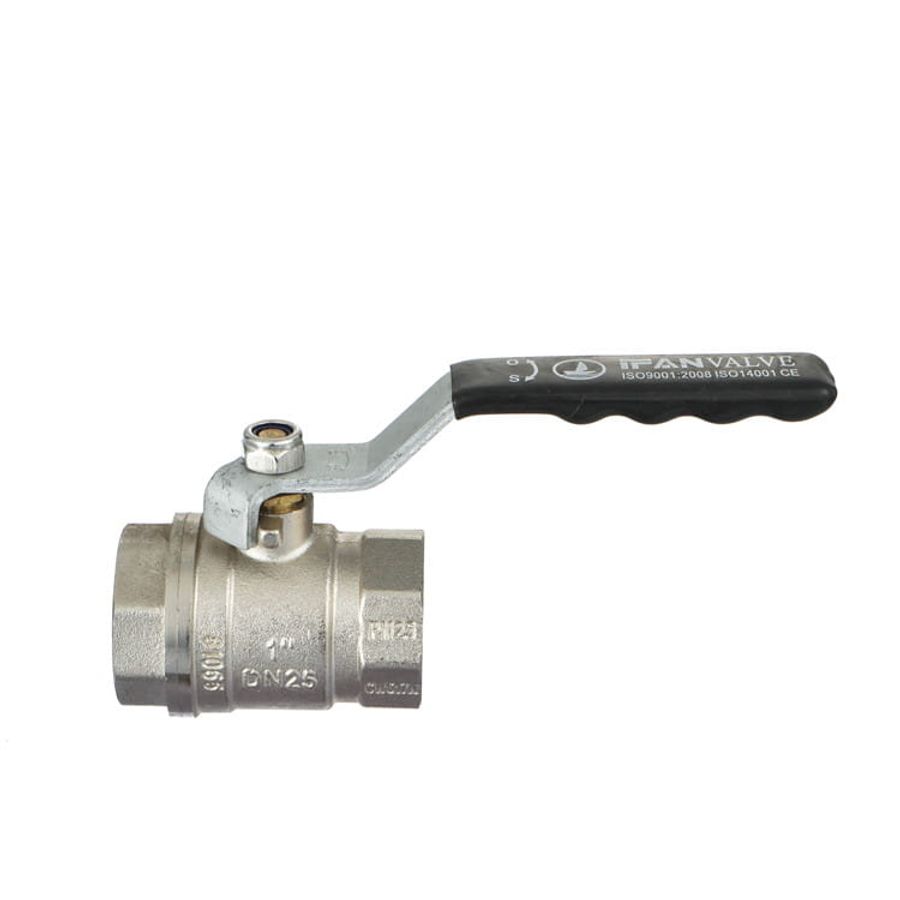
Beyond who makes it, check how it's made. The markers that separate a quality valve from a cheap one:
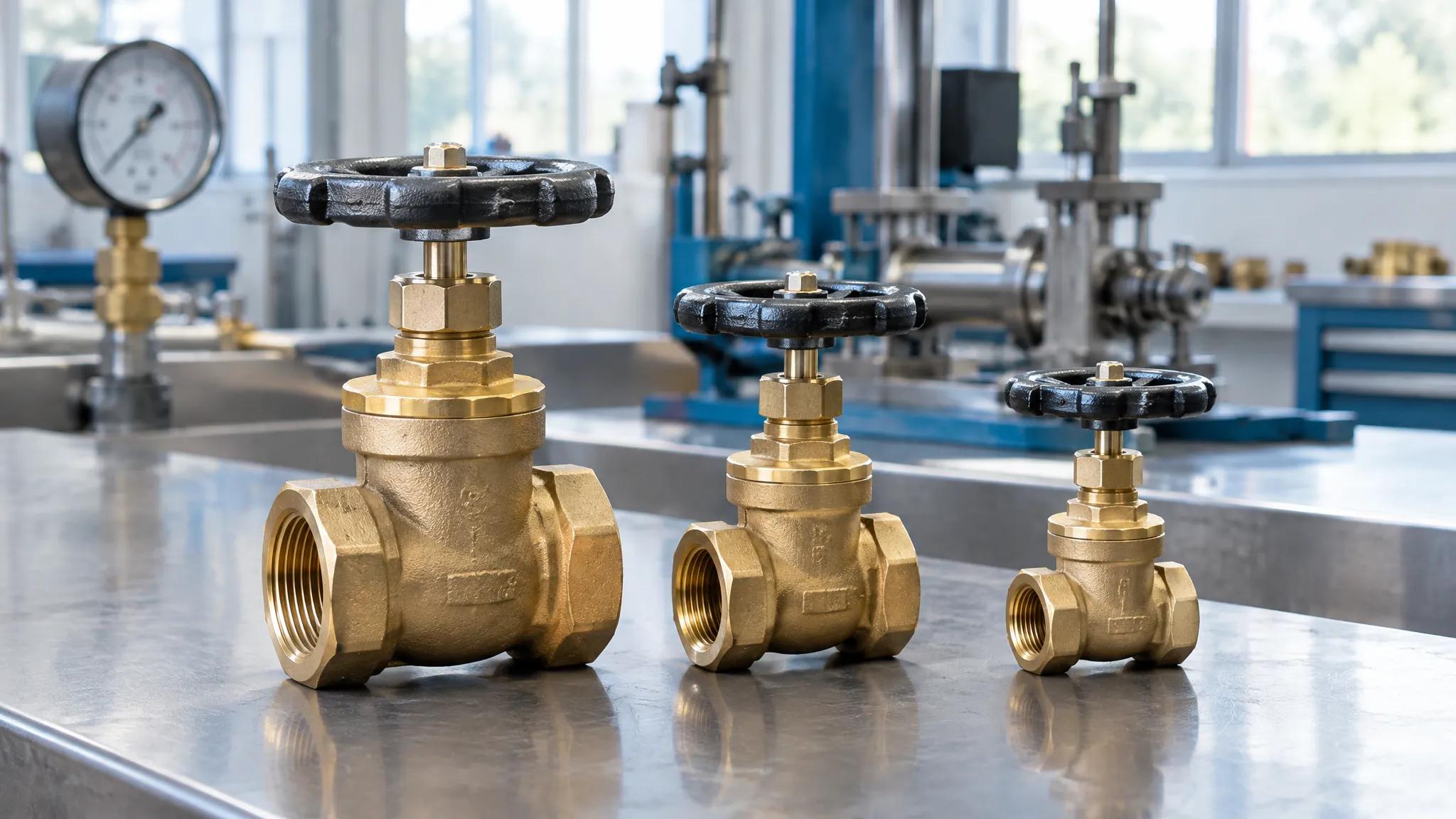
- Body process: forged (dense, void-free) versus cast (can carry porosity). For pressure duty, forged is the stronger choice — see forged vs cast brass valves.
- Alloy: a named grade (CW617N, lead-free for potable, DZR for aggressive water), not just "brass" — see CW617N and lead-free brass.
- Sealing parts: a hard, well-finished ball; a genuine PTFE seat; a blow-out-proof, well-sealed stem.
- Testing: is every valve air-tightness tested, or only sampled? On a bulk order, 100% per-piece testing is the marker that matters most.
- Weight and finish: honest wall thickness — a suspiciously light valve is usually thin-walled or downgraded alloy.
What to Specify on the Order
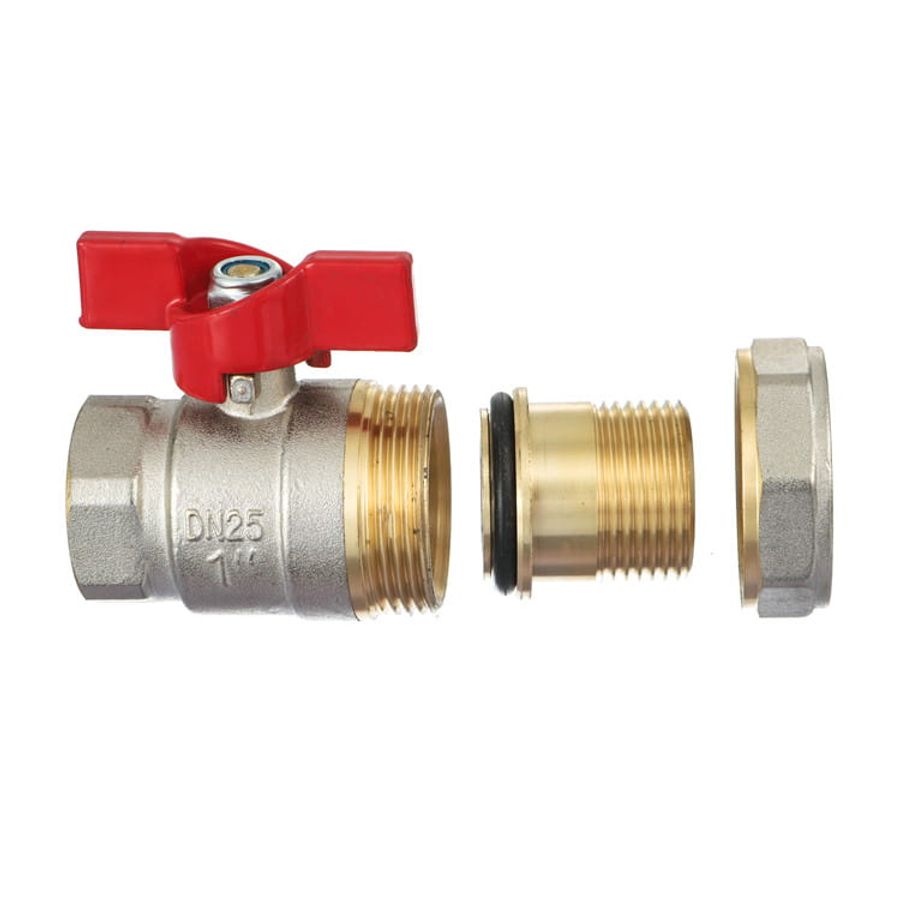
Most sourcing disputes come from a vague specification. Pin down every variable in writing so there's no room for a cheaper substitute:
| Specify | Example |
|---|---|
| Alloy | CW617N |
| Body process | Forged |
| Size & port | DN20, full-port |
| Pressure | PN40 |
| Connection & thread | FF, ¾" BSP parallel |
| Handle | Lever (lockable) |
| Certification | WRAS / ACS as market requires |
Sourcing brass ball valves in bulk?
Send your spec and destination — we'll quote forged, certified CW617N valves direct from the factory.
Request a QuoteVerify the Certification
A logo on a page is not certification. Ask for the actual certificates — CE, ACS, WRAS, SASO, or the potable-water approval your market requires — and confirm they name the specific product and are current, not expired. These approvals test the finished valve, so a generic or unrelated certificate proves nothing about what you're buying. For a first or large order, arrange a pre-shipment inspection or an independent test on a sample before the balance payment. A genuine manufacturer expects these requests and provides the paperwork readily; evasion is the clearest warning sign there is. The discipline is the same across any sourcing decision — see how to verify a manufacturer and which certifications apply.
Commercial Terms That Matter
Once the product and factory check out, the commercial terms decide whether the deal works. Clarify the MOQ — a high minimum can lock out small or trial orders, while no minimum makes repeat and mixed orders practical. Confirm the lead time and whether the supplier holds stock for fast or repeat shipments. Ask about OEM / private-label capability if you brand the valves. Agree the Incoterms, payment terms, and who handles clearance in writing before the first payment. And build a landed-cost figure — brass valves are dense and ship heavy, so freight and duty matter to the real per-unit price. A supplier that's transparent on all of this is easier to work with over repeat orders than one who is cheapest on paper but vague on terms.
Warning Signs to Walk Away From
A price far below the market. Brass has a floor cost in copper; a quote well under the pack usually means downgraded or recycled alloy, thinner walls, or skipped testing.
Vagueness on process or alloy. "It's brass" or a dodge on forged-versus-cast is a sign the answer isn't one you'd like.
Unverifiable certificates. A logo with no document that names the product, or an expired certificate, is not compliance.
No pre-shipment check allowed. A factory confident in its product welcomes inspection; resistance is a flag.
Slow or evasive answers to technical questions. The quality of a supplier's reply previews the support you'll get as a customer.
Sample Before You Commit a Bulk Order
For a first order with a new supplier, a sample is cheap insurance. Ask for a small paid sample of the exact spec you intend to buy, and check it against what you were promised: weigh it (a forged, honest-wall valve is denser than a thin cast one), operate it through several full cycles, inspect the thread quality and sealing faces, and read the marking for the alloy and pressure rating. If the supplier offers per-piece air-tightness testing, ask how a sample was tested. A sample that matches the quote builds confidence for the container order; one that arrives lighter, rougher, or unmarked tells you what a bulk shipment would look like before you've paid for one. A serious manufacturer is happy to sample; reluctance is itself information.
After-Sales and Ongoing Supply
Sourcing isn't a one-off if you'll reorder. Judge a supplier on the relationship, not just the first quote: do they answer technical questions promptly and competently, hold stock so repeat orders ship fast, keep the spec consistent batch to batch, and stand behind the product if a genuine quality question arises? For a distributor especially, consistency and availability matter as much as the unit price — a valve that's slightly cheaper but out of stock for eight weeks, or that varies between shipments, costs you more in the end. Test responsiveness before you commit: send a detailed technical query and see how the reply reads. The quality of that answer previews the support you'll get as a customer, and it's one of the few things you can measure before any money changes hands.
Why IFAN Fits the Brief
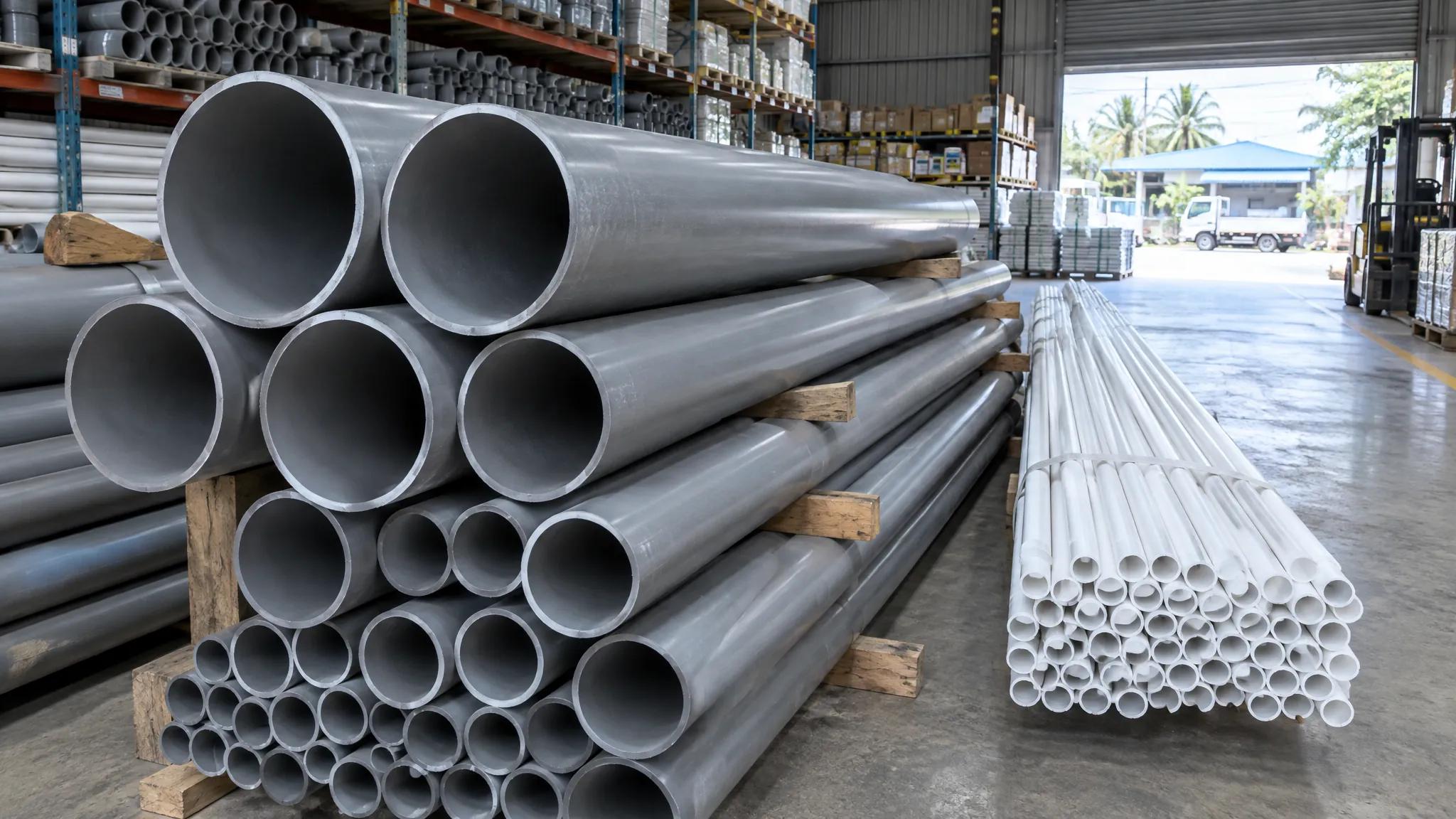
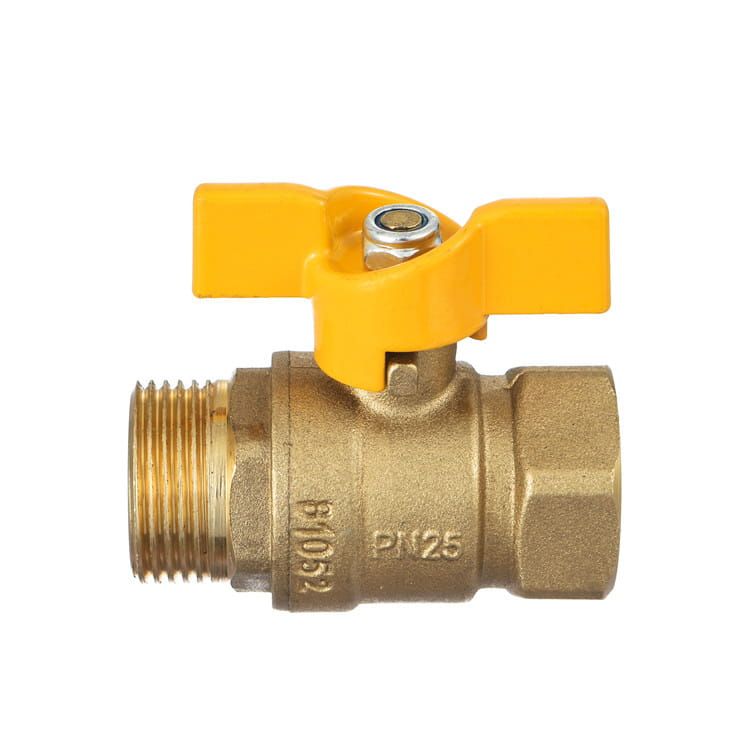
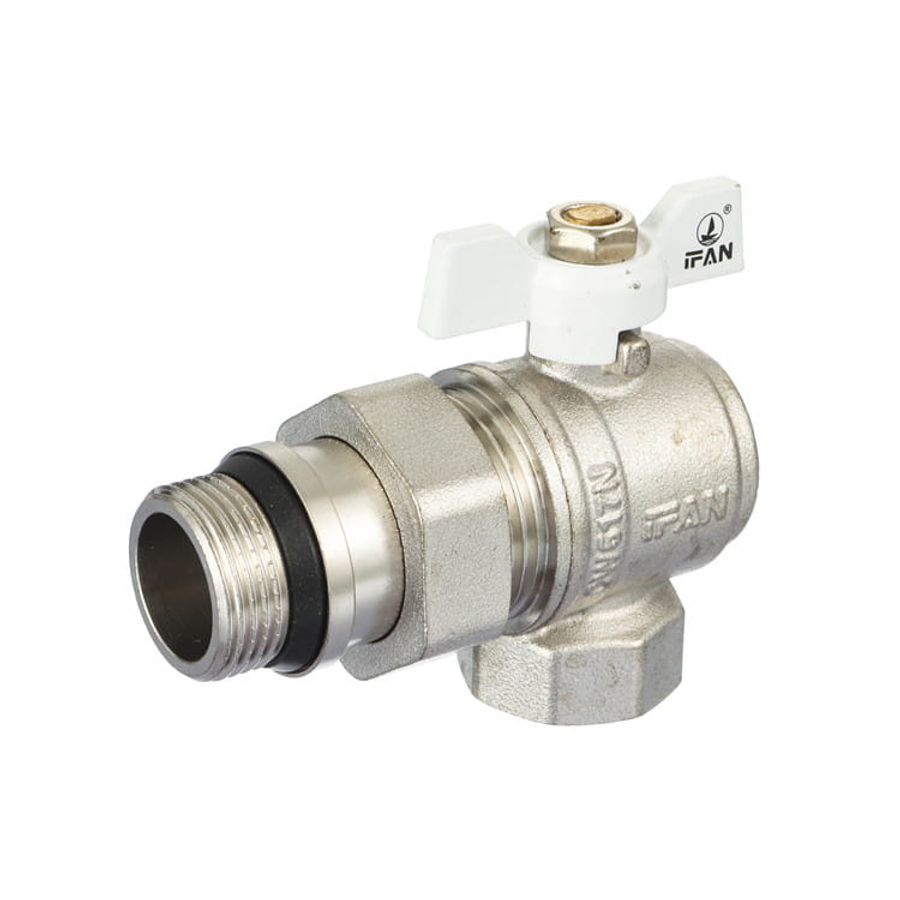
IFAN manufactures brass ball valves in-house — cold forging through precision machining (the process video above) — in CW617N brass, DN8–DN100, PN16/25/40, with FF/FM/MM and double-union connections, BSP or NPT thread, lever or butterfly handles, and forged or cast options. The valves carry CE, ACS, WRAS, and SASO certification, so a buyer can match the approval to the destination market. On terms, IFAN imposes no minimum order, ships in around 10 days from year-round stock, and offers OEM capability. And because IFAN supplies the whole piping system — PPR, HDPE, and PVC pipe alongside the brass valves and fittings — a distributor or contractor can source every certified component of a job from one factory rather than assembling it from separate suppliers. That combination — in-house manufacturing, verifiable certification, no-MOQ stock, and full-system supply — is exactly what the checks above are meant to find.
Frequently Asked Questions
How do I know a brass valve supplier is a real manufacturer?
Ask whether they own the factory and forge and machine in-house, and request a video or in-person tour of the production line and the air-tightness test station. Manufacturers answer readily and provide certificates and test reports; traders deflect to "the factory." Buying direct usually gives better accountability and price.
What certification should a brass ball valve have?
It depends on the market: commonly CE, and a potable-water approval such as WRAS (UK), NSF/ANSI 61 (North America), or ACS (France), plus SASO for Saudi Arabia. The certificate should name the specific product and be current. For drinking water, structural compliance alone isn't enough — the potable approval is required.
Why is one quote much cheaper than the others?
Brass has a floor cost in copper, so a price well below the market usually means a downgrade you can't see: recycled or off-spec alloy, walls thinned below tolerance, a cast body sold as forged, or skipped testing and certification. Ask exactly what alloy, process, and certification it covers before comparing.
Is there usually a minimum order for brass valves?
It varies by supplier. Some manufacturers set a high MOQ; others impose none, which makes small, trial, and repeat orders practical. If you need mixed sizes or a modest quantity, ask about MOQ and whether the supplier holds stock before you commit — it can decide whether a supplier fits your business.