
Buying PPR Direct From China: Factory vs Trading Company vs Alibaba
Most PPR pipe sold worldwide is made in China — but "buying from China" hides four very different routes, and picking the wrong one costs you either margin or a botched shipment. You can buy direct from the factory, through a trading company, off a marketplace like Alibaba, or via a sourcing agent. Each changes your price, your minimum order, who's accountable when a batch is wrong, and how exposed your deposit is. This guide compares the four head-to-head so a distributor or importer can choose the channel that fits their order size and risk tolerance — and spot the traders dressed up as factories.
Once you've picked a channel, the manufacturer verification checklist is how you vet the specific supplier; this article is about choosing the channel itself.

Key Takeaways
- Direct factory = best price and accountability at volume, but higher MOQ and you handle more yourself.
- Trading company = higher price, lower MOQ, mixed-product containers — right for small or varied orders.
- Alibaba is a marketplace, not a supplier — Trade Assurance protects the transaction, not the pipe quality.
- Many "manufacturers" on marketplaces are traders — verify the business license and ask to see production.
- Buying direct removes a margin layer and puts one company behind the grade, certification, and QC.
- Match the channel to your order size and risk — there's no single "best" route.
The Four Routes, Side by Side
Start with the head-to-head. The right channel depends on your order volume, how much you value the lowest price versus hand-holding, and who you want accountable if a batch is off-spec.
Buying for a specific market changes the checklist — see our PPR sourcing playbook for Ghana and West Africa for hot-climate specs and Tema/Lagos conformity.
| Factor | Direct factory | Trading company | Alibaba / marketplace |
|---|---|---|---|
| Price | Lowest (no margin layer) | Higher (+5–15%) | Varies; often trader pricing |
| MOQ | Higher (often full container) | Lower; mixed products OK | Listed low, real MOQ negotiated |
| Accountability | One company owns the problem | Trader mediates with factory | Platform mediates disputes only |
| Certification / QC | Direct from source | Passed through trader | Whatever the seller uploads |
| Best for | Volume, repeat, one product line | Small / mixed / first orders | Discovery + protected payment |
Buying Direct From the Factory
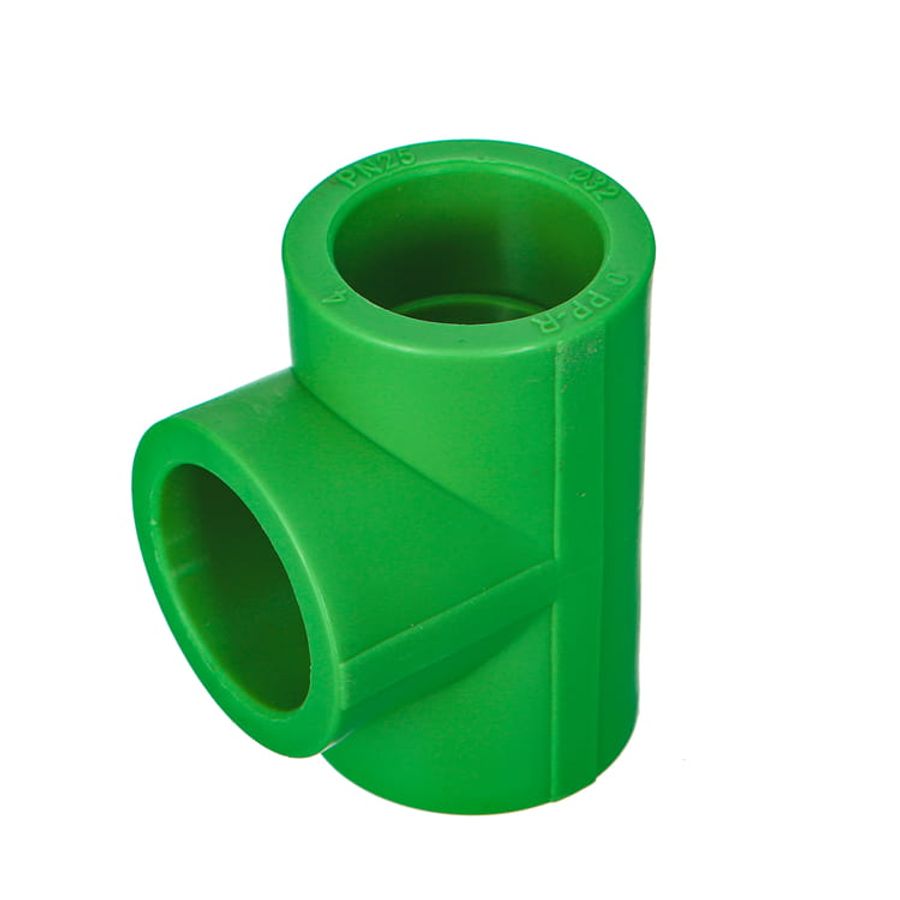
Going straight to the manufacturer removes the middleman's margin, so for volume orders it's the cheapest route — and often the safest, because one company is responsible for the resin grade, the certification, the QC, and the after-sales response. There's no trader in between to blame "the factory" when a batch is thin-walled. You also get direct access to the production line to arrange inspections, and a real manufacturer will show you the workshop and testing on video or in person.
The trade-offs: factories usually want a higher minimum order (often a full container of one product line), and you handle more of the process yourself — specs, QC arrangement, shipping coordination. For a distributor moving steady volume of PPR, that's a fair deal for the lower price and single-point accountability. The verdict: direct factory wins for repeat, single-line, container-scale orders.
Buying Through a Trading Company
A trading company buys from factories and resells to you. You pay 5–15% more, but you get real advantages for the right order: a lower minimum, the ability to mix products from several factories into one container (PPR pipe + valves + fittings + other lines), English-fluent service, and someone to coordinate the messy parts. For a first-time importer or a distributor who needs a varied container rather than a pallet-load of one SKU, that convenience can outweigh the markup.
The cost is accountability and transparency: the trader stands between you and the factory, so quality problems get mediated rather than owned, and you rarely know the true factory price or which factory actually made your pipe. The verdict: a trading company fits small, mixed, or first orders where flexibility beats the last few points of margin.
Alibaba and Marketplaces — What Trade Assurance Really Covers
Alibaba is not a supplier — it's a marketplace where factories and traders both list. It's excellent for discovery and for a protected first transaction, but two things trip buyers up. First, "Gold Supplier" and "Verified" are paid or basic-check badges, not a quality guarantee. Second, Trade Assurance protects the transaction — it covers you if the order isn't shipped or doesn't match the agreed contract terms — but it does not certify that the PPR meets ISO 15874 or won't crack in a year. If your contract doesn't specify the grade, wall, and standard, Trade Assurance has nothing to enforce.
Used well, a marketplace is where you find candidates and run a small protected trial order; the vetting still falls to you. The verdict: use marketplaces for discovery and protected first orders, then move volume to a verified direct relationship.
Factory or Trader? How to Tell the Difference
Many sellers that call themselves "manufacturers" are trading companies — the single most common thing buyers get wrong. Tells that separate a real factory from a reseller:
The business license. A real manufacturer's license lists production/manufacturing in its scope; a trader's says "trade" or "import & export." Ask for it and read the scope.
They can show production on demand. Ask for a live video walk of the extrusion line and the testing lab. A factory does it readily; a trader stalls or shows the same stock photos everyone has.
The invoice/bank name matches the factory. If the money goes to a company whose name doesn't match the "factory" you're dealing with, you're buying through a hidden trader.
They know their own product cold. Ask a specific technical question (resin grade, MFR, wall for PN20 at a given DN). A factory answers instantly; a reseller relays and delays. The full method is in the verification checklist.
Payment Terms and Protecting Your Deposit
Whatever the channel, payment is where the risk concentrates. Common terms: a 30% deposit with 70% before shipment (against a copy of the B/L) is standard for direct factory orders; a letter of credit (L/C) shifts risk to the banks for large orders but costs more and needs an established relationship; Trade Assurance or escrow via a marketplace holds funds until you confirm the order met the contract. Never pay 100% up front to a new supplier, and always tie the balance to a pre-shipment inspection so you can catch an off-spec batch before the money leaves. Getting the specification and inspection right up front is also how you compare real landed cost rather than a headline price.
Want to buy PPR direct from the factory?
IFAN is a direct PPR manufacturer — send your spec and volume for a factory-direct quote with verifiable certification.
Request a Quote
Frequently Asked Questions
Is it cheaper to buy PPR direct from the factory?
Usually yes at volume — you skip the trading company's 5–15% margin and deal with the source on grade, certification, and QC. The catch is a higher minimum order (often a full container of one line) and more of the process on your side. For small or mixed orders a trader can still work out better overall.
Does Alibaba Trade Assurance guarantee quality?
No. It protects the transaction — shipment and matching the agreed contract terms — not whether the PPR meets ISO 15874 or lasts. If your contract doesn't specify grade, wall, and standard with an inspection clause, there's nothing for it to enforce. Vet the supplier and spell out the spec regardless.
How do I know if an Alibaba supplier is a real factory?
Ask for the business license and read its scope (manufacturing vs trade), request a live video of the production line and lab, confirm the bank/invoice name matches the factory, and ask a specific technical question. Real factories answer instantly and show production; traders stall or send stock photos.
When is a trading company the better choice?
When you need a small or first order, a mixed container of several product lines, or hand-holding through the process. You pay more, but you get lower MOQ and one contact coordinating multiple factories. For steady single-line volume, direct factory wins on price and accountability.