
PPR Riser Sizing for High-Rise: Head, Heat and the Limit
PPR pipe for a high rise building: what one storey costs in pressure, where the code stops you before the pipe does, and the PN class each zone needs.
A PN20 PP-R pipe is rated 20 bar at 20 °C. At 70 °C the same pipe is published at 6.7 bar. A 3.0 m storey of water adds 0.29 bar of static head, and it adds it downward, so the pressure is highest at the bottom of the riser while the temperature that shrinks the rating is highest in the hot line. Those two facts are what decide whether PPR pipe for a high rise building works, and almost nothing written about high-rise PP-R puts them in the same sentence.
Work the arithmetic and a number falls out that changes the specification. Reserve 2.5 bar at the highest fixture, run 70 °C hot water, and a PN20 riser has about 14 storeys of static head left. The same riser running cold has about 60. The building did not change; the water temperature did.
Key takeaways
- The governing point is the lowest floor of the hot riser, not the top of the building. Static head is greatest there and the allowable pressure is already derated by temperature.
- One 3.0 m storey costs 0.2934 bar. That comes from 0.09778 bar per metre of water column, which is p = ρgh with water at 25 °C.
- 18.8 storeys reaches 552 kPa, the static ceiling one adopted plumbing code sets at any fixture. Another sets 586 kPa. The number is local, so check yours.
- PN20 crosses that code line at about 65 °C. Below it the code stops you first; above it the derated pipe does.
- PN25 buys roughly six storeys at 70 °C over PN20, on the published tables used here.
- Best for contractors and project procurement specifying a riser in a mid- to high-rise building. Not for sizing pipe for flow, which is a separate calculation.
On this page
- The Worst-Loaded Point Is the Bottom of the Hot Riser
- What One Storey Costs You in Pressure
- Reading a PN Rating at the Temperature You Actually Run
- Where the Code Stops You Before the Pipe Does
- Zoning: Where to Break the Column
- The Riser Specification Checklist
- What This Calculation Does Not Cover
- Conclusion
- Frequently Asked Questions
One clip before the arithmetic. IFAN's own test reel runs PP-R pipe and fittings through pressure and temperature loading, which is the pairing this whole page is about; watch what the fittings do rather than the pipe.

IFAN Full Series PPR Performance Tests. Pressure and temperature are tested together because they act together, which is exactly why a riser has to be checked at its hottest and lowest point rather than at either one alone.
The Worst-Loaded Point Is the Bottom of the Hot Riser
Two things move in opposite directions along a riser, and a design that checks either one alone will pass a building that should not have been built.
Static head increases as you go down. Every metre of vertical water column below the point where pressure is maintained adds to the pressure the pipe wall holds, so the lowest fixture on a riser sees the highest pressure in that zone. Allowable pressure moves the other way: PP-R is a thermoplastic, its long-term strength falls as the water gets hotter, and the published working pressure for a given PN class drops with temperature. One named manufacturer's published table puts PN20 at 20.0 bar at 20 °C and 6.7 bar at 70 °C. Same pipe, same wall, one third of the rating.
Put the two together and the worst-loaded point in a building is specific: the lowest floor of the hot-water riser. It carries the tallest column above it and it runs at the temperature that has already taken two thirds of the pipe's rating away. The cold riser at the same floor carries the same column against a rating that has barely moved.
A second manufacturer's technical catalogue states the thermal envelope plainly: continuous thermal load up to 60 °C, short thermal load up to 90 °C. A domestic hot-water system that circulates at 60 °C for legionella control is at that continuous limit every hour of every day, and that is the condition the riser has to be checked against, not the 20 °C the PN number was declared at.
What One Storey Costs You in Pressure
Static pressure from a column of water is p = ρgh. With water at 25 °C, density 997.05 kg/m³, and standard gravity 9.80665 m/s², one metre of column produces 9.778 kPa, which is 0.09778 bar per metre. At a 3.0 m floor-to-floor height that is 0.2934 bar per storey, and the number is worth memorising because it converts a drawing into a pressure in one multiplication.
Two refinements before it gets used. Hot water is lighter: at 70 °C the density is about 977.8 kg/m³, so a hot column produces roughly 2 % less static head than the same cold column. The figure above is the cold-water one and it is deliberately the conservative choice. And floor-to-floor is not floor-to-ceiling, so take the 3.0 m from the section drawing rather than from the room.
Run it forward. Ten storeys is 2.93 bar of static head. Twenty is 5.87 bar. That second number is already above the ceiling one adopted plumbing code sets at a fixture, which is the subject of a later section and the first constraint most risers actually hit.
Reading a PN Rating at the Temperature You Actually Run
PN is a nominal pressure class, declared at a reference condition. Treating it as a fixed capability is the single most common error in high-rise PP-R, and the fix is to read the manufacturer's own pressure-temperature table rather than the number moulded into the pipe. The difference between PN, SDR and schedule matters here too, because a class written in one system says nothing directly in another.
Two published tables, side by side, make the point better than one does. The spread between them at 20 °C is 0.4 bar, which is small; at the bottom of a 20-storey hot riser that same spread is more than a storey of head.
| Water temperature (°C) | C-Tube PN20 (bar) | C-Tube PN25 (bar) | Pestan PN20 (bar) | Verdict for a riser |
|---|---|---|---|---|
| 20 | 20.0 | 25.0 | 20.4 | Cold riser: pipe is not the limit |
| 40 | 13.7 | 17.1 | 14.5 | Warm return: still generous |
| 60 | 9.3 | 11.6 | not used | Continuous-service limit; check the zone |
| 70 | 6.7 | 8.4 | 6.8 | Pipe becomes the binding constraint |
| 80 | 5.1 | 6.4 | not used | Short-term only; not a design condition |
Source: C-Tube published pressure-vs-temperature chart (50-year design life; its 80 °C row is stated for 25 years) and Pestan PPR technical catalogue Table 19 (ISO 15874:2013, safety factor SF = 1.5). Read 2 September 2026. The Pestan 60 °C and 80 °C rows could not be transcribed reliably from that PDF and are deliberately left out rather than guessed.
Three things to take from the table. The two tables agree closely at 20 °C, 40 °C and 70 °C, which is reassurance that neither is an outlier. They are manufacturers' declared tables that reference ISO 15874, not the standard itself, and one of the two does not publish the safety factor behind it. And the differences that do exist are large enough to matter at the bottom of a tall riser, which is the argument for specifying against your own supplier's declared table rather than a generic chart.
The wider principle behind the curve, and what a service class actually declares, is covered in the guide to PP-R pressure derating by service class. For a riser, one number from that guide does the work: the temperature the system holds continuously, not the temperature it reaches at the boiler.
Where the Code Stops You Before the Pipe Does
Before the pipe runs out of rating, the plumbing code usually runs out of patience. Chicago's plumbing code puts it in one sentence: "Where water pressure within a building exceeds 80 psi (552 kPa) static at any fixture or outlet, an approved water pressure reducing valve conforming to ASSE 1003 with strainer shall be installed to reduce the pressure at any fixture or outlet in the building water distribution piping to 80 psi (552 kPa) static or less."
New York City's plumbing code sets the same requirement at a different number, 85 psi (586 kPa), with an ASSE 1003 or CSA B356 valve. Two adopted codes, two ceilings, which is the reminder that this threshold is local. Requirements vary by jurisdiction and by the authority having jurisdiction over the project, so confirm the figure that applies to your building before designing to either of these.
Take 552 kPa and divide by 9.778 kPa per metre and the column height falls out: 56.4 m, which is 18.8 storeys at 3.0 m floor to floor. That is the height of an unbroken column that arrives at its lowest fixture exactly at the ceiling. It has nothing to do with the pipe.
Now put the pipe curve and the code line on the same axes, using the storey arithmetic from earlier and reserving 2.5 bar at the highest fixture in the zone.
| Water temperature (°C) | PN20 PP-R (storeys) | PN25 PP-R (storeys) | Code ceiling, 552 kPa (storeys) |
|---|---|---|---|
| 20 | 59.7 | 76.7 | 18.8 |
| 40 | 38.2 | 49.8 | 18.8 |
| 60 | 23.2 | 31.0 | 18.8 |
| 70 | 14.3 | 20.1 | 18.8 |
| 80 | 8.9 | 13.3 | 18.8 |
Source: C-Tube published PN20/PN25 pressure table and Chicago plumbing code 18-29-604.8, converted at 0.2934 bar per 3.0 m storey with 2.5 bar reserved at the highest fixture. Read 2 September 2026.
The assumptions are printed on purpose: 3.0 m floor to floor, 2.5 bar reserved at the highest fixture in the zone, cold-water density for the head, and the C-Tube table for the pipe. Change any of them and the curve moves. Substitute your own before you use a storey count.
The crossing is the finding. Below roughly 65 °C the code line is lower than the pipe curve, so the pressure-reducing requirement binds first and the pipe has margin to spare. Above 65 °C the PN20 curve drops under the code line and the pipe becomes the constraint. A cold riser is a code problem. A 70 °C hot riser is a pipe problem, and no amount of pressure reduction at the base fixes it, because reducing pressure to satisfy the code still leaves the column above it.
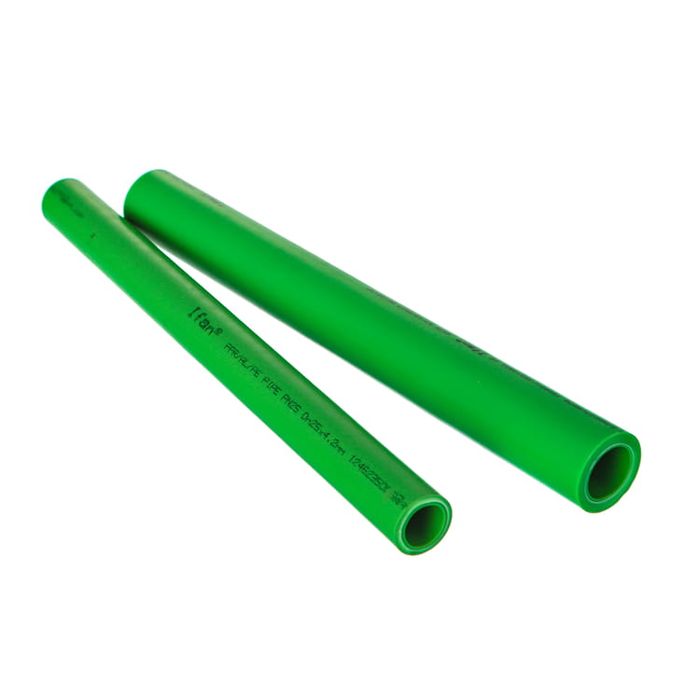
PN25 is what that buys. At 70 °C the published PN25 figure of 8.4 bar gives about 20 storeys of head against PN20's 14, so the upgrade is worth roughly six storeys on these assumptions. It is the cheapest change available at design stage and the most expensive one after the shaft is closed. IFAN manufactures PN12.5, PN16, PN20 and PN25 across DN20 to DN160, so the class step is a specification decision rather than a sourcing problem; the full PP-R product range shows what each class covers.
What the chart does not say
It is a screening calculation on static conditions. It does not include pump shut-off head, surge, or the pressure a booster set holds at the top of the zone beyond the 2.5 bar reserved here. Those raise the number the pipe sees, never lower it, so a riser that fails this check has already failed. One that passes still needs the dynamic case run by the project engineer.
Zoning: Where to Break the Column
Zoning is the storey arithmetic used backwards. If an unbroken column reaches the 552 kPa ceiling at 18.8 storeys, then a zone in that jurisdiction is at most about 18 storeys tall, and a 40-storey building needs at least three of them. The zone boundary is where the column is broken and the pressure is re-established.
Two ways to break it, and they are not interchangeable.
- Pressure-reducing valve at the zone base. Cheapest, keeps one continuous riser, and satisfies the code requirement quoted above. The pipe above the valve still carries the full column of its own zone, so the PN check still applies per zone. The selection rules for a pressure-reducing valve matter more here than in a low-rise, because a single valve is carrying a whole zone.
- Break tank at an intermediate plant level. Resets the static column to zero at that floor and decouples the zones hydraulically. More space, more plant, and the right answer when the building is tall enough that a single PRV chain would stack tolerances.
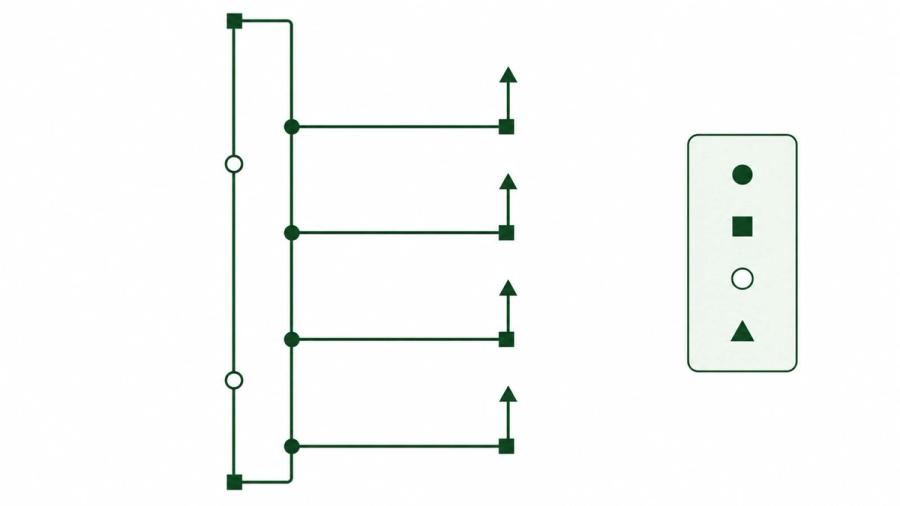
Zone the hot and cold risers separately. They share a building but not a budget: at 20 °C the cold riser has roughly 60 storeys of pipe capacity and only 18.8 storeys of code allowance, while at 70 °C the hot riser has about 14 storeys of pipe capacity. Copying the cold zoning onto the hot riser is how a hot line ends up outside its rating at the bottom of a zone that the cold line handles comfortably.
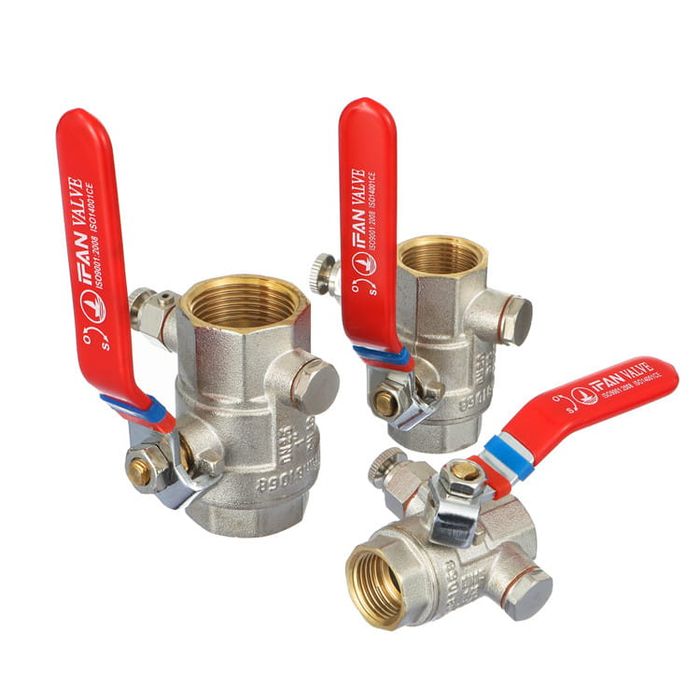
At the base of every zone, check the lowest fixture, not the riser mid-point, and pair the isolation with a drain. A riser that cannot be drained cannot be worked on, and the tiering of that isolation is set out in the guide to which isolation tier shuts down what.
The Riser Specification Checklist
Eight lines. Each one is a decision the drawing has to record and a document the supplier has to produce, and together they are what turns this calculation into an order.
| Specify | Why it decides the riser | Verdict: evidence to require |
|---|---|---|
| Continuous service temperature (°C), hot and cold separately | Sets which row of the pressure table applies | Design brief value, not the boiler setpoint |
| Floor-to-floor height (m) and storeys per zone | Converts to 0.2934 bar per storey of head | Section drawing, not the room height |
| Residual pressure at the highest fixture (bar) | Subtracts from the pipe's budget before head | Fixture schedule minimum |
| PN class per zone, hot and cold separately | PN25 buys about 6 storeys over PN20 at 70 °C | Supplier's own pressure-temperature table |
| Local static-pressure ceiling at a fixture (kPa) | Usually binds before the pipe below 65 °C | The adopted code text, cited by section |
| Zone break method: PRV or break tank | Decides plant space and zone height | Valve standard, e.g. ASSE 1003 |
| Material declaration and standard | Fixes what the PN class was tested against | Batch certificate per shipment |
| Isolation and drain at each zone base | Makes the zone serviceable without draining the stack | Valve schedule showing integral drain |
Source: assembled for this article from the published manufacturer pressure tables in Table 1, the Chicago and New York City plumbing codes at section 604.8, and the hydrostatic arithmetic above. September 2026.
Where We Stop, and What to Ask a Supplier For
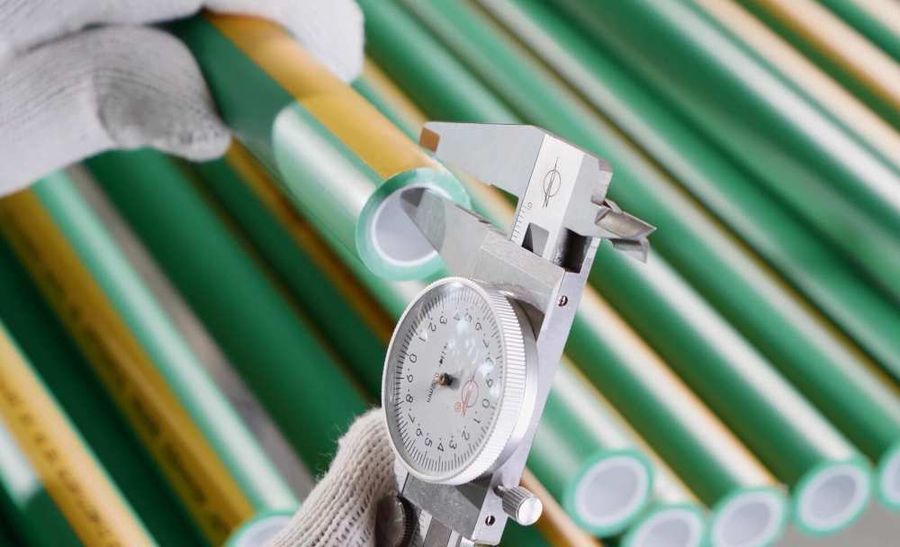
The pressure figures used here are two manufacturers' published tables, not test results from any one factory, and this page does not have a factory's internal data behind it. IFAN's published position is what the Product Bible states: 100 % virgin PP-R (PP-R 100 grade) with a batch certificate per shipment, declared against DIN 8077/8078 and ISO 15874, with CE and SGS, and SASO, SONCAP or NOM available on request.
The order to place is one container, mixed sizes accepted, which lets a project take PN20 for the cold zones and PN25 for the hot ones on a single shipment. Ask any supplier for their own pressure-temperature table and their batch certificate format before the class is fixed on the drawing.
For contractors and project procurement fixing a riser class before tender, and for distributors stocking against one. IFAN's PP-R range covers DN20–DN160 in PN12.5, PN16, PN20 and PN25, declared against DIN 8077/8078 and ISO 15874, on a one-container minimum with mixed sizes accepted.
What This Calculation Does Not Cover
Three gaps, named rather than hidden, because a riser designed only on the arithmetic above is not finished.
Thermal movement. PP-R expands at 1.5 × 10⁻⁴ per kelvin, which is 0.15 mm per metre per kelvin. A 45 m riser taken from 20 °C to 70 °C moves about 337 mm. That is not a rounding error in a shaft; it is a design problem with fixed points, guides and either loops or expansion joints, and it is a separate subject from pressure.
Flow and diameter. Nothing here sizes the pipe for flow rate, velocity or friction loss. A riser can be the right pressure class and still be the wrong diameter. Dimensions and pressure classes by diameter are set out in the PP-R size and pressure-class chart, and the flow calculation runs alongside this one rather than after it.
Dynamic conditions. Pump shut-off head, surge from fast-closing valves, and the behaviour of a booster set on a stepped zone all add pressure the static case does not see. This page is a screening calculation on static conditions, every input in it is either a published table value or an assumption printed beside the number, and a licensed engineer signs the final design. Substitute the project's real values before anything here reaches a drawing.
Conclusion
Run the riser check in this order on your next project. Take the continuous hot-water temperature from the design brief and read the supplier's own table at that row. Take the floor-to-floor height from the section and multiply storeys by 0.2934 bar. Subtract the residual pressure the highest fixture needs. Compare what is left against both the pipe's derated figure and the local static ceiling, and let whichever is lower set the zone height. Then repeat the whole sequence separately for the cold riser, because its answer will be different and usually taller.
If the hot riser lands short, the two moves worth pricing before you change material are a step from PN20 to PN25 and an extra zone break. Compare both against your own numbers rather than these, and have the engineer of record confirm the dynamic case.
Frequently Asked Questions
How many floors can a PPR riser serve?
It depends on temperature, not on the pipe alone. On the published tables used here, with 2.5 bar reserved at the top fixture and 3.0 m storeys, PN20 carries about 60 storeys of head cold and about 14 at 70 °C. The local code ceiling usually binds first.
Is PPR suitable for high-rise buildings?
Yes, when the riser is zoned and the class is chosen at the running temperature. The failure mode is applying a cold-water PN rating to a hot riser, where the same pipe holds roughly a third of the pressure.
At what pressure does a building need a pressure-reducing valve?
Chicago's plumbing code requires one where static pressure exceeds 80 psi (552 kPa) at any fixture; New York City's sets 85 psi (586 kPa). The threshold is set by the code adopted locally, so confirm the figure for your jurisdiction.
How much pressure does each floor add in a riser?
0.2934 bar per 3.0 m storey, from 0.09778 bar per metre of water column at 25 °C. Ten storeys is 2.93 bar. Hot water is about 2 % lighter, so a hot column produces slightly less.
What is the difference between PN20 and PN25 PPR in a tall building?
About six storeys of static head at 70 °C on the published tables here: PN20 gives roughly 14 and PN25 roughly 20. The step costs little at design stage and cannot be made after the shaft is closed.
Should the hot and cold risers be zoned the same way?
No. At 20 °C the cold riser has far more pipe capacity than the code allows, while a 70 °C hot riser can run out of pipe rating first. Zone each one against its own governing point.