
PVC vs UPVC vs CPVC: The Differences Explained
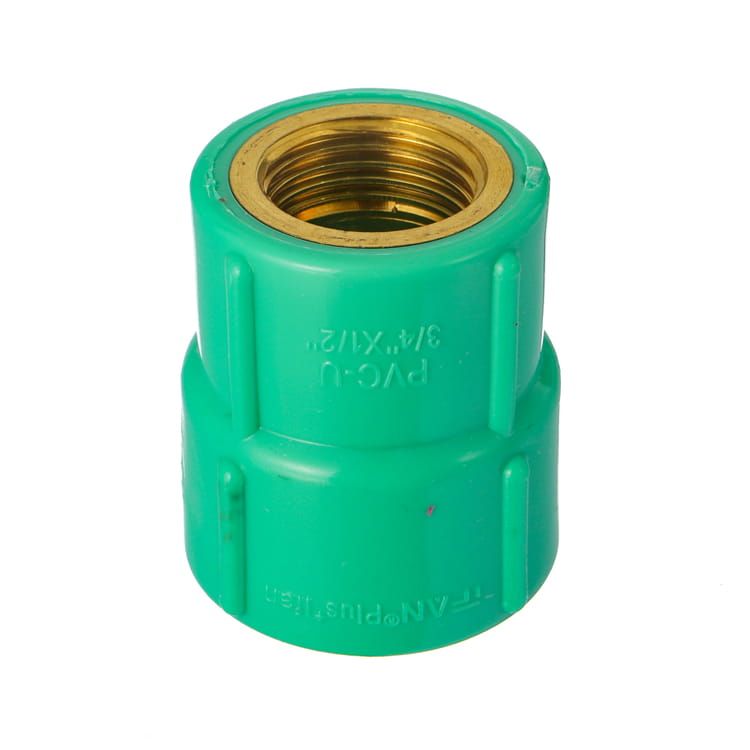
CPVC vs uPVC: CPVC is chlorinated to carry hot water continuously at up to 93°C (200°F); uPVC tops out around 60°C (140°F) and costs less — the chlorination step is the price premium.
uPVC vs PVC: uPVC is PVC without plasticizers — the rigid pipe grade. Flexible "PVC" belongs to hoses and cable insulation, not pressure pipe.
Cost order: uPVC lowest, CPVC highest — the gap pays for the heat rating.
PVC, UPVC, CPVC — three names that look almost the same and confuse buyers constantly, yet they're not interchangeable and using the wrong one can melt a pipe or fail an inspection. The short version: they're all vinyl plastics, but UPVC is the rigid form of PVC used for most pipe, and CPVC is a chlorinated version engineered to take hot water that plain PVC can't. Get the distinction wrong and you either overpay for CPVC where UPVC would do, or run PVC on a hot line and watch it soften. This guide untangles the three — what each actually is, the naming overlap, how they compare on heat, jointing, and use, and a clear rule for which to specify.
Key Takeaways
- PVC and UPVC are essentially the same rigid pipe material — "UPVC" just names the unplasticised form.
- CPVC is chlorinated PVC — engineered to handle hot water that PVC/UPVC can't.
- PVC/UPVC: cold water, drainage, drainage-waste-vent, irrigation, conduit.
- CPVC: hot-and-cold plumbing, higher-temperature and some industrial lines.
- All three join with solvent cement — but CPVC needs its OWN cement.
- Never run plain PVC/UPVC on hot water; never assume PVC cement works on CPVC.

PVC vs UPVC — Are They Different?
This is the confusion that trips up most buyers, so let's settle it first: UPVC and the "PVC pipe" you buy are, in practice, the same material. PVC (polyvinyl chloride) is the base plastic. In its raw form it can be made flexible by adding plasticisers — that's the soft PVC of hoses and cable insulation. UPVC stands for unplasticised PVC: PVC with no plasticisers added, which makes it rigid and strong. Because rigid pipe needs to be, well, rigid, virtually all "PVC pipe" is actually uPVC. So when a supplier says "PVC pipe" and another says "UPVC pipe," they almost always mean the same rigid pressure/drainage pipe. The only time the distinction matters is separating rigid pipe (uPVC) from flexible/plasticised PVC (not used for structural pipe). For pipework, treat PVC and UPVC as one and the same.
For a deeper two-way comparison — including the naming trap on import paperwork and how to specify the right grade on a purchase order — see our dedicated uPVC vs PVC pipe guide.
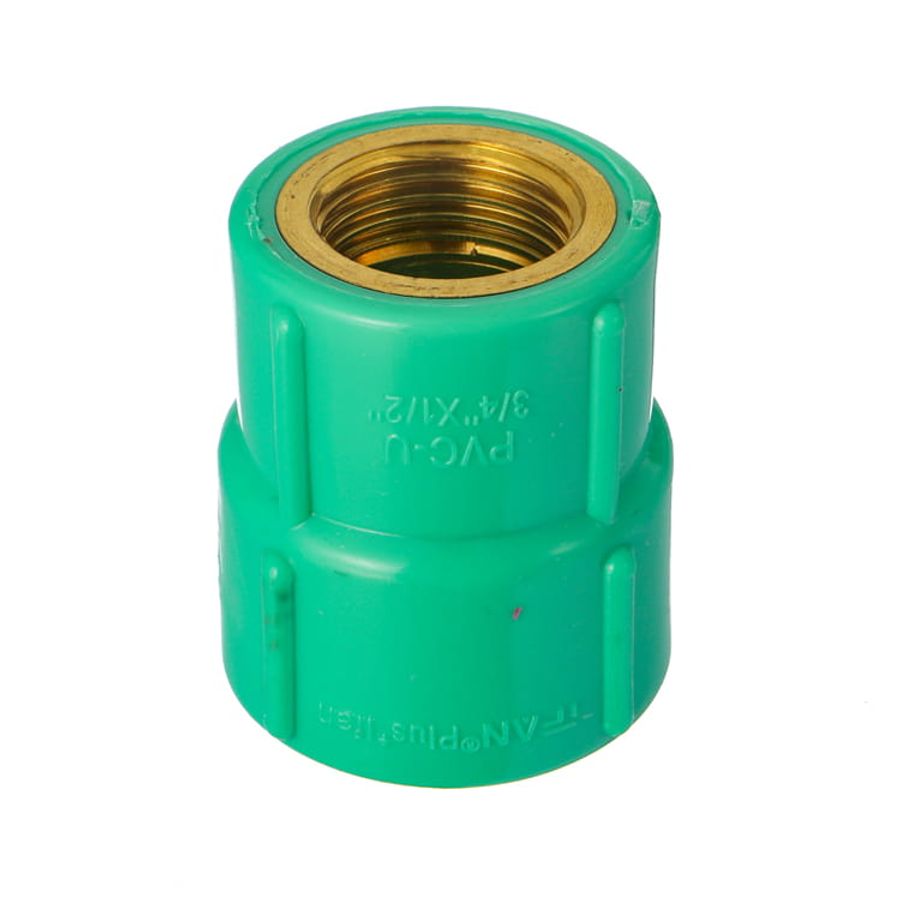
What Makes CPVC Different
CPVC (chlorinated polyvinyl chloride) is where the real difference lies. It starts as PVC, then goes through extra chlorination that changes its molecular structure and, crucially, raises its temperature tolerance. Plain PVC/UPVC softens and loses pressure rating as temperature climbs and is generally limited to cold water — run it on a hot line and it sags, deforms, and can fail. CPVC is engineered to handle hot water continuously at temperatures that would destroy PVC, which is why CPVC is used for hot-and-cold potable plumbing and some higher-temperature industrial lines. It looks similar (often a cream or light-grey colour versus PVC's white or grey) and joins the same way — with solvent cement — but it is a genuinely different material rated for heat. The price reflects it: CPVC costs more than PVC/UPVC.
PVC/UPVC vs CPVC — Side by Side
| Factor | PVC / UPVC | CPVC |
|---|---|---|
| Max temperature | ~60°C (cold-water rated) | ~90°C+ (hot-water rated) |
| Best for | Cold water, drainage, DWV, irrigation | Hot & cold plumbing, industrial |
| Jointing | Solvent cement (PVC cement) | Solvent cement (CPVC cement) |
| Colour (typical) | White / grey | Cream / light grey |
| Cost | Lower | Higher |
| Corrosion | Immune | Immune; better chemical range |
Where the Name "UPVC" Is Used
Part of the confusion is regional habit. In the UK, Europe, the Middle East, Asia, and Australia, "UPVC" (or "uPVC") is the common term for rigid vinyl pipe and window frames, so a buyer there naturally asks for UPVC. In North America, the same rigid pipe is almost always just called "PVC," and "UPVC" is rarely used. So a "UPVC pressure pipe" quote from one market and a "PVC pressure pipe" quote from another are describing the same product — the difference is vocabulary, not material. When you source across regions, don't treat a UPVC quote and a PVC quote as different pipes; confirm the standard (e.g. the pressure or drainage spec) and you'll see they match. The one genuine sub-distinction to keep straight is rigid unplasticised PVC (uPVC, for pipe) versus flexible plasticised PVC (for hoses and insulation) — those really are different, but only the rigid form is used for pipework.
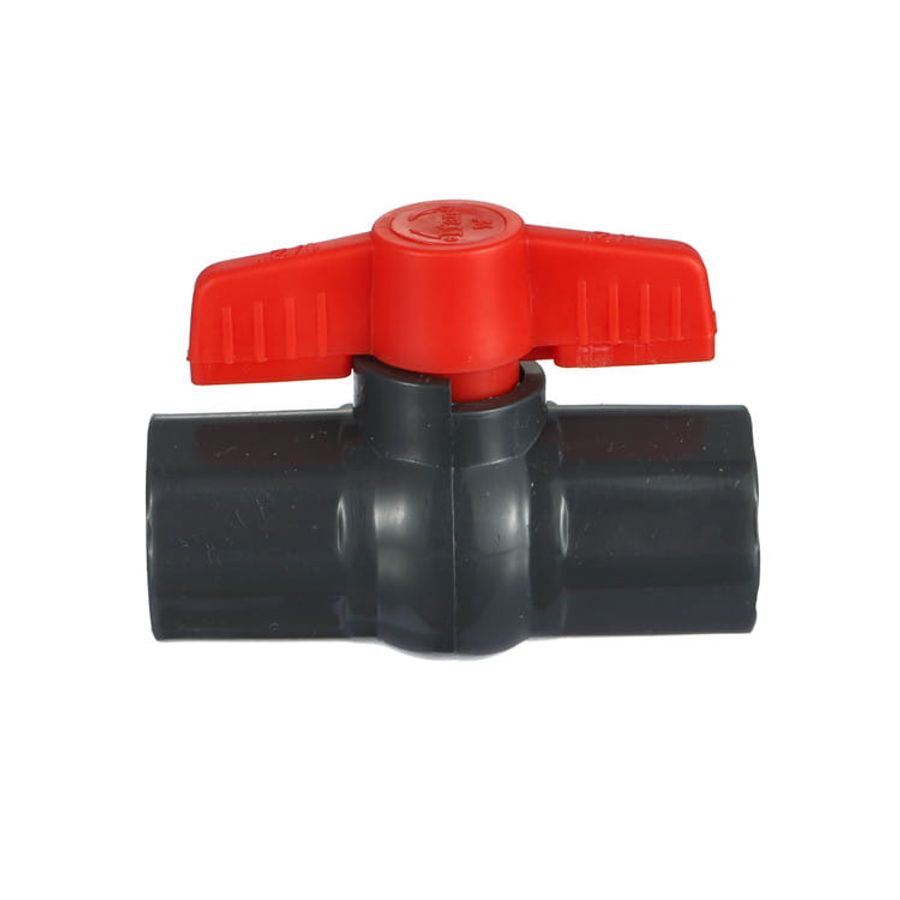
CPVC Temperature and Pressure
CPVC's whole reason to exist is temperature, so it's worth understanding the trade-off. Like all thermoplastics, CPVC's pressure rating falls as temperature rises — but it holds usable pressure at hot-water temperatures where PVC has already given up. That's why CPVC is rated for continuous hot-and-cold potable service while PVC is a cold-only material. The practical implication for sizing: don't read a CPVC pipe's cold pressure rating and assume it holds at 80°C — use the manufacturer's temperature-de-rated figure for the actual operating temperature, exactly as you would with any plastic hot-water pipe. CPVC also has a broader chemical-resistance range than PVC, which is part of why it appears in some industrial and processing lines carrying hot or aggressive fluids. Match the CPVC pressure class to both the pressure and the temperature the line will see.
The Hot-Water Rule (Don't Get This Wrong)
The single most important — and most expensive — mistake is running plain PVC/UPVC on hot water. PVC is a cold-water material; as temperature rises its pressure rating falls sharply, and on a genuine hot line it softens, sags, and eventually deforms or fails, sometimes dramatically. If a line carries hot water, it needs CPVC (or another hot-rated material like PPR or PEX), full stop. Conversely, spending on CPVC for a cold drainage or irrigation line is money wasted — PVC/UPVC does that job at a lower price. Match the material to the temperature: cold and drainage → PVC/UPVC; hot-and-cold plumbing → CPVC. For a deeper look at what happens when this goes wrong, see CPVC vs PVC on hot water.
Sourcing PVC, UPVC, or CPVC fittings?
Tell us the application and temperature — we'll spec the right material with matched fittings from one source.
Request a QuoteJointing: All Solvent-Welded, but Not the Same Cement
All three join the same way in principle — solvent cement welding, where a primer and cement chemically fuse the pipe and fitting into one piece (no threading or heat). But there's a trap: CPVC needs CPVC-specific cement. PVC cement is not rated to bond CPVC reliably, and using the wrong cement is a common cause of joint failure on hot lines. Always match the cement to the pipe — PVC cement for PVC/UPVC, CPVC cement for CPVC — and follow the primer, cure-time, and temperature instructions on the can. Because the joint is a chemical weld, a clean, correctly-cemented joint is as strong as the pipe; a rushed or wrong-cement joint is where leaks start.
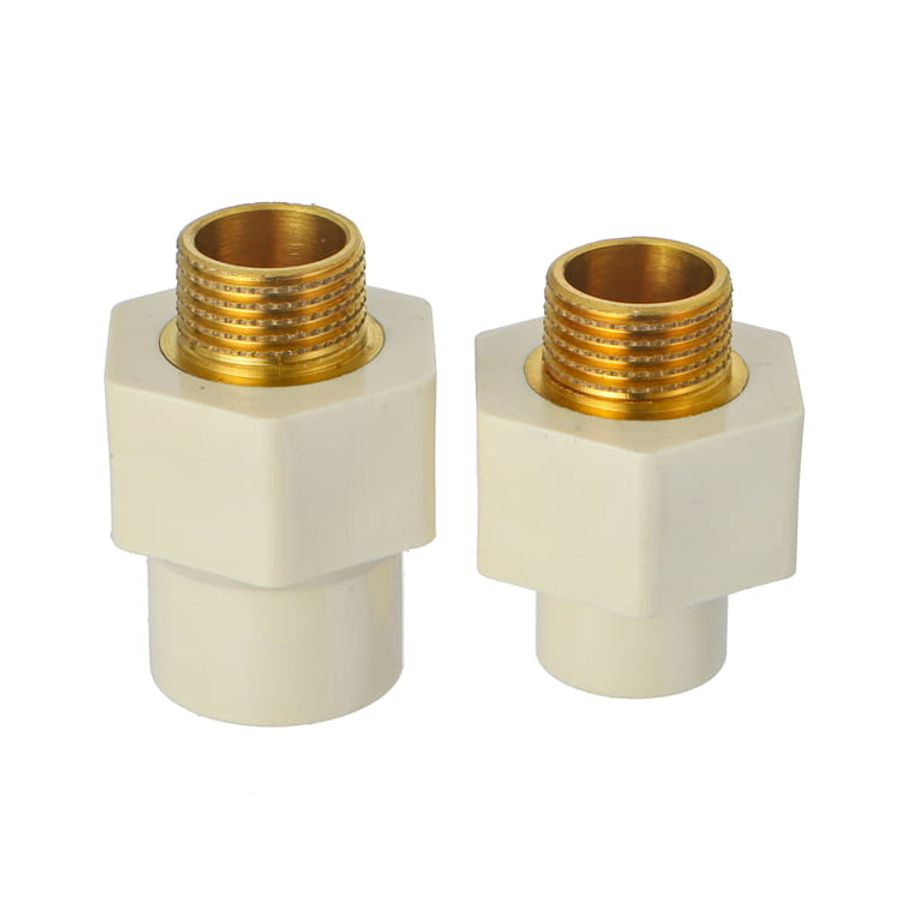
Applications: Which Goes Where
- PVC / UPVC: cold-water supply and distribution, drainage and sewer, drainage-waste-vent (DWV), rainwater, irrigation, and electrical conduit — the workhorse for cold, non-pressure and pressure cold lines.
- CPVC: hot-and-cold potable plumbing inside buildings, hot-water distribution, fire-sprinkler systems (specific listings), and industrial lines carrying hot or aggressive fluids within its chemical range.
- Not the job for either: very high temperature, high pressure at temperature, or open-flame proximity — where metal or a fusion system is specified.
Cost and Availability
On price, PVC/UPVC is the cheapest and the most widely stocked plastic pipe in the world — cheap material, cheap fittings, and a plumber everywhere knows how to solvent-weld it. CPVC costs more because the extra chlorination and heat rating add value, and it's priced against the hot-water job it does that PVC can't. The decision isn't "which is cheaper" but "what temperature does the line carry" — pay for CPVC only where heat requires it, and use PVC/UPVC everywhere cold. Regionally, PVC/UPVC dominates drainage and cold supply worldwide; CPVC is common for hot plumbing in some markets, competing with PPR and PEX depending on local practice — see how PPR, PVC, and PEX compare.
Health, Potable Approval, and Longevity
For drinking water, all three must carry the right potable approval for the market — the material being PVC or CPVC is not enough on its own; the finished pipe must be listed as safe for potable contact (NSF/ANSI/CAN 61-2024, WRAS, or the local equivalent), which tests what it releases into water. Modern PVC and CPVC pipe made to standard doesn't corrode, scale, or rust, so the bore stays clean and flow stays stable for decades — a major reason vinyl pipe displaced metal for cold supply and drainage. Correctly specified and jointed, PVC/UPVC and CPVC both have long service lives measured in decades; what shortens them is misuse — PVC on hot water, the wrong cement on CPVC, or UV exposure of pipe rated for indoor or buried use. Specify the potable approval your market requires and confirm it on the certificate, exactly as with any piping material.
Which Should You Choose?
Choose PVC/UPVC for cold water, drainage, sewer, DWV, irrigation, and conduit — the cheapest, most available option for any cold or drainage line. (Remember "PVC" and "UPVC" pipe are the same rigid material.)
Choose CPVC whenever the line carries hot water — hot-and-cold plumbing, hot distribution, and higher-temperature industrial duty — and use CPVC-specific cement.
Never run PVC/UPVC on hot water, and never join CPVC with PVC cement. Match the material to the temperature and the cement to the pipe, and any of the three lasts for decades. IFAN manufactures PVC, UPVC, and CPVC fittings — and PPR, HDPE, PEX, and brass valves — so a whole system can be sourced matched and certified from one factory.
Cost Difference Between CPVC and UPVC (Real Numbers)
"Higher" and "lower" do not help a buyer sizing a project, so here is the shape of the gap. Priced at the same diameter and pressure class, CPVC pipe and fittings typically run about 1.5 to 2 times the cost of UPVC. The chlorinated resin is more expensive to produce, and CPVC solvent cement costs more per litre than standard PVC cement. On a full hot-and-cold plumbing job the installed difference is smaller than the material difference, because labour, hangers, and cutting are much the same for both.
The table below shows indicative wholesale relationships, not retail quotes. Actual pricing moves with resin markets, diameter, and order volume.
| Line item | UPVC (PVC-U) | CPVC |
|---|---|---|
| Pipe (per metre, same size/class) | Baseline (1.0x) | ~1.5x to 2.0x |
| Fittings | Lower | Higher; fewer stock sizes |
| Solvent cement | PVC cement (cheaper) | CPVC cement (dearer, one-step) |
| Best value when | Cold water, drainage, irrigation | Hot water, only where heat demands it |
The takeaway for procurement: do not pay the CPVC premium on cold-only lines. Reserve it for the runs that actually carry hot water. For a fuller pricing view see our CPVC pipe guide.
To put a dollar figure on the multiples, here are US retail prices for like-for-like items, checked on 3 September 2026. They are single-stick, pre-tax retail figures — wholesale and factory-direct pricing is lower, but the ratio between the two materials is what carries across markets.
| Item | UPVC / PVC (USD) | CPVC (USD) | CPVC ÷ UPVC | Basis |
|---|---|---|---|---|
| ¾" pipe, Schedule 80, 5 ft stick | 13.52 (2.70/ft) | 20.99 (4.20/ft) | 1.55× | ASTM D1785-21a vs F441/F441M-23 |
| ½" pipe, Schedule 80, 5 ft stick | 11.53 (2.31/ft) | 17.39 (3.48/ft) | 1.51× | ASTM D1785-21a vs F441/F441M-23 |
| 1" pipe, Schedule 80, 5 ft stick | 14.57 (2.91/ft) | 27.99 (5.60/ft) | 1.92× | ASTM D1785-21a vs F441/F441M-23 |
| ¾" plumbing pipe, 10 ft stick (Sch 40 PVC vs CTS SDR 11 CPVC) | 9.31 (0.93/ft) | typical range 12–16 | ~1.3–1.7× | ASTM D1785-21a vs D2846/D2846M-24 (not like-for-like wall) |
| Solvent cement, 8 oz (Oatey regular PVC vs medium CPVC) | 8.78 | 8.78 | 1.0× | Same brand, same can size, retail |
| Sources: PVC Pipe Supplies price guide (Schedule 80 rows); The Home Depot, Charlotte ¾" Sch 40, ¾" CPVC listing, Oatey PVC cement, Oatey CPVC cement; all retrieved 2026-09-03. Prices move with resin markets; treat ratios, not dollars, as the durable figure. | ||||
Pressure at Temperature: The De-Rating Numbers and the Standards Behind Them
A single "max temperature" figure hides the real engineering point: as any vinyl pipe warms, the pressure it can safely hold drops. Both materials carry their full rated pressure only at 23°C (73°F). UPVC loses most of its strength by about 60°C (140°F), which is why it is a cold-water material. CPVC keeps useful pressure all the way to roughly 82°C (180°F) and is rated for continuous service to about 93°C (200°F). The de-rating multipliers below explain why the same pipe that is safe cold can fail hot.
| Operating temp | UPVC (% of rated pressure) | CPVC (% of rated pressure) |
|---|---|---|
| 23°C / 73°F | 100% | 100% |
| 49°C / 120°F | ~40% | ~65% |
| 60°C / 140°F | ~22% (near limit) | ~50% |
| 82°C / 180°F | Not rated | ~25% |
| 93°C / 200°F | Not rated | ~20% (continuous limit) |
The compound itself is graded by ASTM D1784-20 cell class: UPVC pipe is typically cell class 12454 and CPVC is 23447, which is what gives CPVC its higher heat-deflection temperature. Product standards follow from there. UPVC pressure pipe is made to ASTM D1785-21a (Schedules 40, 80 and 120) or ISO 1452-2:2009; CPVC pipe to ASTM F441/F441M-23 (Schedules 40 and 80), and CPVC hot-and-cold plumbing systems to ASTM D2846/D2846M-24 (CTS, SDR 11). For drinking-water contact, either material is certified to NSF/ANSI/CAN 61-2024 (December 2025 addendum) in North America, WRAS in the UK and ACS in France. Always read pressure off the manufacturer's de-rating curve for the exact temperature, never off the 23°C headline. Our pipe certification standards guide maps these codes in full.
: UPVC pipe is typically cell class 12454 and CPVC is 23447, which is what gives CPVC its higher heat-deflection temperature. Product standards follow from there. UPVC pressure pipe is made to ASTM D1785 (schedules 40/80) or ISO 1452; CPVC pipe to ASTM F441 (schedules) and CPVC hot-and-cold plumbing systems to ASTM D2846 (CTS/SDR 11). Always read pressure off the manufacturer's de-rating curve for the exact temperature, never off the 23°C headline. Our pipe certification standards guide maps these codes in full.How to Tell CPVC and UPVC Apart, and Whether You Can Mix Them
On a job site the two look similar enough to cause mistakes, so learn to read the pipe. UPVC is usually white or grey; CPVC is most often a cream, off-white, or light-grey tone, and in CTS plumbing sizes it is frequently sold in a tan or yellowish shade. The surest check is the printed line on the pipe: it states the material (PVC vs CPVC), the standard (ASTM D1785 or ISO 1452 for UPVC; ASTM F441 or D2846 for CPVC), and the pressure or SDR class. When markings are gone, size gives it away, because CPVC plumbing pipe uses copper tube size (CTS), so its outside diameter matches copper, while UPVC follows iron pipe size (IPS).
Can I connect CPVC to UPVC?
Yes, but only through a threaded or flanged transition fitting, never a solvent-welded joint between the two. The dimensioning systems differ, so a UPVC (IPS) fitting will not seat correctly on CPVC (CTS) pipe of the same nominal size, and the cements are not the same either. UPVC cement will not reliably bond CPVC, and using it on a hot line risks a joint failure. Match pipe, fitting, and cement to one material system. If you need to transition, use a purpose-made threaded or flanged transition fitting, not a solvent joint between the two.
Why is CPVC not used anymore?
It has not been dropped: CPVC is still code-approved under IPC 2021 and UPC 2021 and widely stocked; in US homes it simply lost share to PEX, which is faster to install and more forgiving of freezing. The confusion comes from projects switching to PEX or PPR for hot water in some regions, plus older brittle installations giving CPVC a bad reputation. Specified and installed correctly, it remains a standard choice. For alternatives, compare our PEX vs PVC vs CPVC breakdown.
How many years will CPVC last?
CPVC pipe is designed for a 50-year service life at its rated hot-water duty — Lubrizol/FlowGuard state 50 years at up to 93°C (200°F) — and cold-only lines routinely outlast that. What cuts it short is misuse: UV exposure, PVC cement on CPVC joints, incompatible thread sealants or lubricants, and running hot water above the de-rated pressure for that temperature. Modern compound to ASTM D1784-20 cell class 23447 does not corrode or scale, so a correctly cemented, indoor or buried CPVC line is normally replaced with the building, not before it. (Source: FlowGuard, "How long does CPVC pipe last".)
Why would you use CPVC instead of PVC?
Use CPVC instead of PVC whenever the line carries water above about 60°C (140°F): CPVC is rated for continuous service to 93°C (200°F), is the listed material for hot-and-cold potable distribution under ASTM D2846/D2846M-24, and resists a wider chemical range. PVC/UPVC to ASTM D1785-21a is a cold-water material — its pressure rating is essentially gone by 60°C. So the rule is temperature, not preference: hot-and-cold plumbing, hot distribution and warm process lines get CPVC; cold supply, drainage, DWV, irrigation and conduit get PVC/UPVC at the lower price. If PEX is also on the table for the hot side, compare all three in PEX vs PVC vs CPVC.
Frequently Asked Questions
Is UPVC the same as PVC?
For pipe, effectively yes. UPVC means unplasticised PVC — rigid PVC with no plasticisers added — and virtually all "PVC pipe" is actually uPVC. When a supplier says PVC pipe or UPVC pipe they almost always mean the same rigid material. The distinction only separates rigid pipe from soft, flexible (plasticised) PVC.
What's the difference between CPVC and PVC?
CPVC is chlorinated PVC, engineered to handle hot water that plain PVC can't. PVC/UPVC is a cold-water material that softens as temperature rises; CPVC tolerates hot water continuously. Use PVC/UPVC for cold and drainage, CPVC for hot-and-cold plumbing. They also need different solvent cements.
Can I use PVC pipe for hot water?
No. Plain PVC/UPVC is rated for cold water; on a hot line it softens, sags, and can fail as its pressure rating drops with temperature. For hot water use CPVC (or PPR/PEX). Running PVC on hot water is one of the most common and damaging piping mistakes.
Can I use PVC cement on CPVC?
No — CPVC needs CPVC-specific cement. PVC cement isn't rated to bond CPVC reliably, and using the wrong cement is a common cause of joint failure on hot lines. Always match the cement to the pipe and follow the primer and cure-time instructions.
Which is better, UPVC or CPVC?
Neither is universally better; they solve different jobs. UPVC wins on cost for cold water, drainage, and irrigation. CPVC wins wherever the line carries hot water, because it holds pressure to about 93°C (200°F) while UPVC is spent by 60°C (140°F). Match the material to the temperature, not to price alone.
How much more does CPVC cost than UPVC?
At the same diameter and pressure class, CPVC pipe and fittings typically cost about 1.5 to 2 times the price of UPVC, and CPVC solvent cement costs more per litre. The chlorinated resin drives the difference. Reserve CPVC for hot-water runs so you only pay the premium where the heat rating is needed.
How do I identify CPVC versus UPVC pipe?
Check the printed line first: it names the material and standard, ASTM D1785 or ISO 1452 for UPVC, ASTM F441 or D2846 for CPVC. By colour, UPVC is white or grey and CPVC is usually cream, tan, or light grey. CPVC plumbing pipe also uses copper tube size, so its diameter matches copper, unlike IPS-sized UPVC.
Can CPVC and UPVC fittings be used together?
No. They use different dimensioning systems (CTS versus IPS), so same-nominal-size parts do not seat correctly, and their solvent cements are not interchangeable. UPVC cement will not reliably bond CPVC and can fail on hot lines. To join the two materials, use a threaded or flanged transition fitting instead of a solvent-welded joint.
What is the main difference between CPVC and uPVC?
Heat. CPVC's extra chlorination lets it carry hot water continuously at up to 93°C (200°F); uPVC is limited to roughly 60°C (140°F) and serves cold supply, drainage, and sewer duty at a lower price.
Is CPVC more expensive than uPVC?
Yes — the chlorination process adds cost, so CPVC carries a premium over uPVC of the same size. Specify CPVC only where the line actually sees hot water; uPVC wins everywhere else on price.