
PE-RT против PEX для горячего водоснабжения и теплых полов: свариваемость, стоимость и где каждый выигрывает
Сравнение труб PE-RT и PEX: сварные соединения против механических фитингов, температурные классы ISO 10508 и где каждый выигрывает — с данными о бухтах с завода IFAN.
Спор между PE-RT и PEX обычно сводится к предпочтению бренда. Экономика монтажа говорит об обратном: для контура теплого пола более дешевый материал также легче соединять, ремонтировать и закладывать в стяжку. Обе трубы изготавливаются из полиэтилена, и обе выдерживают температурный режим 35–45 °C с запасом. Различие заключается в том, связываются ли полимерные цепи химически после экструзии. Это единственное структурное решение определяет все дальнейшие характеристики — свариваемость, поведение при перегибах, возможность ремонта и цену за бухту.
В этом сравнении рассматриваются факторы, которые действительно влияют на выбор: способ соединения материалов, температурные классы, для которых они предназначены, и где каждый из них выигрывает. Цифры взяты из действующих стандартов — ISO 15875 для PEX, ISO 22391 для PE-RT, ISO 10508 для классов применения. Они также взяты из опубликованных спецификаций IFAN на продукцию для теплых полов, поскольку завод выпускает оба материала в одном диапазоне бухт.

Основные выводы
- PE-RT является термопластиком: его можно сваривать нагретым инструментом, ремонтировать сваркой и перерабатывать. Сшитый PEX можно соединять только с помощью механических фитингов.
- Контуры теплого пола работают при температуре подачи 35–45 °C. Оба материала имеют достаточный запас — температура не является решающим фактором при выборе для теплого пола.
- PEX сохраняет преимущество в высокотемпературных применениях: горячее водоснабжение (класс 1, расчетная температура 60 °C) и линии подачи к радиаторам, где его запас прочности больше.
- Бухта PE-RT обычно стоит дешевле, чем PEX при одинаковых размерах — отсутствует стадия сшивания, а также используются сварные муфты вместо механических фитингов.
- IFAN производит оба материала — PE-RT (тип I/II), PEX-a и силанольный PEX-b — в бухтах для теплого пола диаметром 16–32 мм, поэтому в одном смешанном контейнере можно перевозить как стандартные, так и премиальные сорта.
На этой странице
- Два способа сделать полиэтилен устойчивым к горячей воде
- PE-RT против PEX — сравнение
- Свариваемость: разница, влияющая на стоимость монтажа
- Температурный предел: классы применения, а не заявления
- Почему PE-RT выигрывает на рынке теплых полов
- Где PEX по-прежнему выигрывает
- Из чего на самом деле состоит разница в цене
- Что запасать, а что указывать в спецификациях
- Часто задаваемые вопросы
Два способа сделать полиэтилен устойчивым к горячей воде
Краткое примечание о названии перед описанием механики: PE-RT означает полиэтилен повышенной теплостойкости, и пишется через дефис, чтобы отличать его от метода управления проектами PERT. По сути, это полиэтиленовая труба, способная выдерживать горячую воду без сшивания — именно это отличает ее от PEX.
PEX: полиэтилен, связанный в сеть
PEX получает свою теплостойкость за счет сшивания: полиэтиленовые цепи химически связываются в трехмерную сеть после или во время экструзии. Метод определяет букву в названии. PEX-a сшивается в расплаве с помощью пероксида (метод Энгеля), PEX-b — силанольной влажностной сшивкой после экструзии, а PEX-c — облучением пучком электронов. Минимальная степень сшивки составляет 70% для PEX-a и 65% для PEX-b и PEX-c, и вся группа регулируется стандартом ISO 15875.
Сеть повышает устойчивость к нагреву и растрескиванию под напряжением, но также делает PEX похожим на термореактивный пластик. Трубу нельзя переплавить, сварить или переработать обратно в трубу. Поэтому каждое соединение должно быть механическим — обжимное кольцо, расширительный фитинг, компрессионный корпус.
PE-RT: повышенная теплостойкость без сшивания
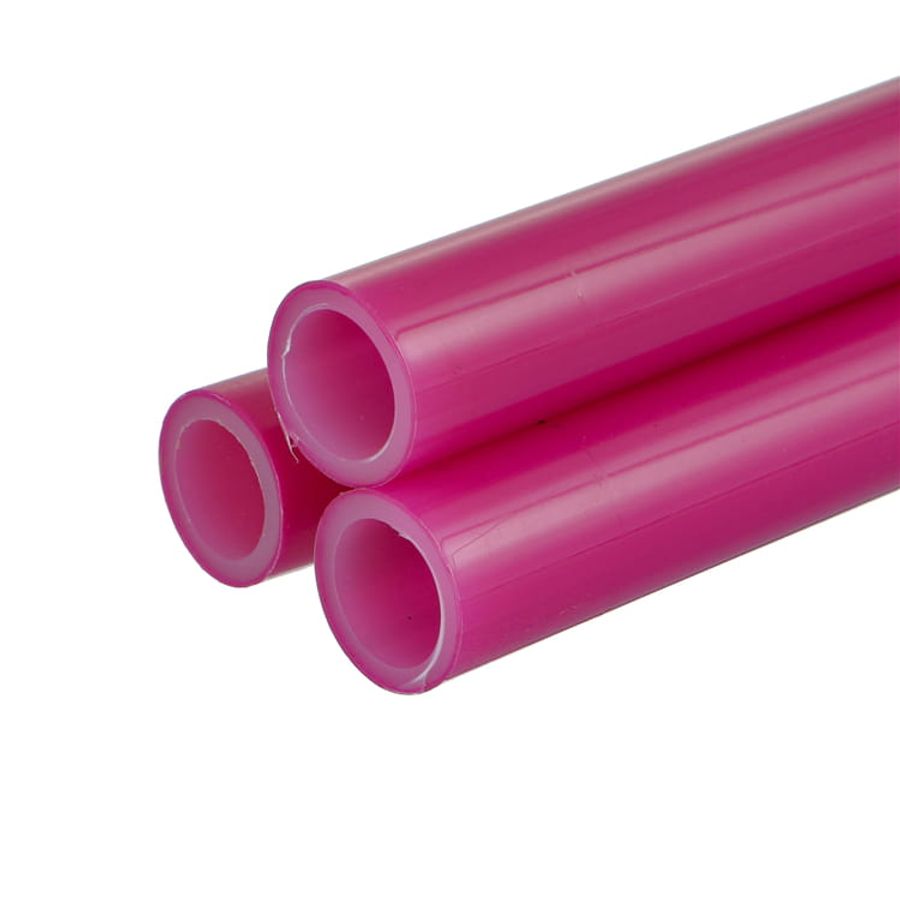
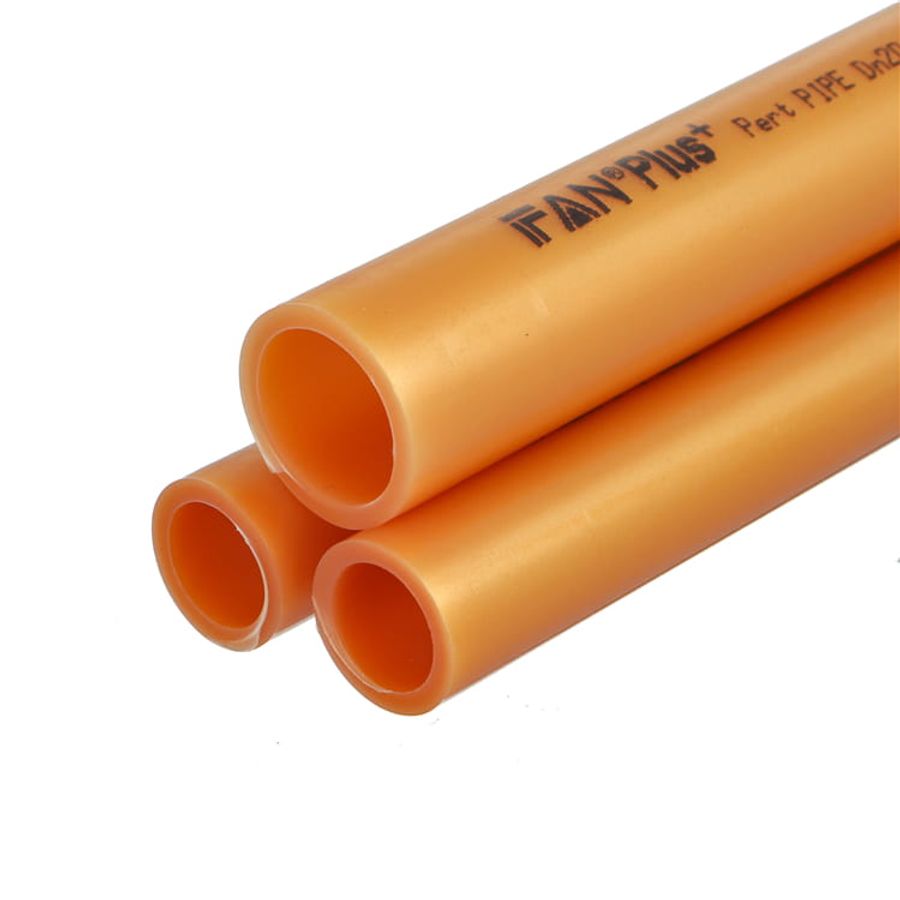
PE-RT идет противоположным путем. Вместо связывания цепей он использует бимодальную смолу, чья контролируемая кристаллическая структура сама обеспечивает температурный класс. Результат регулируется стандартом ISO 22391 и остается полностью термопластичным: его можно сваривать раструбной сваркой и встык, ремонтировать нагреванием и перерабатывать. Собственная труба IFAN для теплого пола из PE-RT — это несшитый материал средней плотности диаметром 16–32 мм, рассчитанный на температуру до 95 °C, с указанием морозостойкости на странице продукта.
Запомните это одно различие. Сеть против кристалла, термореактивность против термопластичности — каждое практическое отличие в остальной части этой статьи, от стоимости соединений до ремонта перегибов и переработки в конце срока службы, вытекает из него.
PE-RT против PEX — сравнение
Таблица ниже — основа решения. Две строки определяют выбор: соединение и температурное соответствие. Остальные — строки паритета для применения в теплых полах, где оба материала справляются с задачей.
| Фактор | PE-RT | PEX | Решает? |
|---|---|---|---|
| Структура | Термопластик, без сшивки | Сшитая сеть | Корневая причина |
| Соединение | Тепловая сварка + механические | Только механические | Да |
| Температурное соответствие | Достаточно для класса 4 (теплые полы) | Больший запас, класс 5 | Да |
| Обработка перегибов | Вырезать и сварить | PEX-a восстанавливается нагреванием | Ситуационно |
| Гибкость | Самый мягкий в семействе | Высокая (а) до умеренной (b) | Паритет |
| Относительная стоимость | Как правило, ниже | Как правило, выше | Да |
| Кислородный барьер | Требуется слой EVOH | Требуется слой EVOH | Паритет |
| Стандарты | ISO 22391 | ISO 15875 | Паритет |
Читайте таблицу по весу, а не по количеству строк. Дистрибьютор, который принимает решение между PE-RT и PEX трубами на основе соединения и температурного режима, уже сделал выбор; гибкость, барьер и стандарты становятся пунктами соответствия. Полное руководство по PEX трубам подробно рассматривает сторону PEX в этом семействе, а PEX-a против PEX-b разделяет сшитые варианты, если вы выбрали эту сторону.
Вердикт
Ни один материал не является «лучшим». PE-RT — это труба для объемных теплых полов; PEX — специалист по высоким температурам и ремонту. Вопрос покупки — для какой работы вы покупаете — и план складирования обычно требует обоих.
Свариваемость: разница, которая меняет стоимость монтажа
Цена материала за метр — это то, что указано в котировке. Стоимость монтажа — это то, что появляется в счете после оплаты труда, фитингов и ремонта — и именно здесь решение между PE-RT и PEX трубами начинает приносить деньги. Разделение на термопластичные и сетчатые определяет, как выполняется каждое соединение.
Сварка делает соединение частью трубы
Поскольку PE-RT не сшивается, он сваривается как другие термопластичные трубы. Раструбная сварка — стандартный метод для малых диаметров — выполняется при температуре примерно 250–260 °C согласно опубликованным руководствам по монтажу. Стыковая сварка для больших диаметров — при температуре около 200–220 °C; график сварки производителя трубы всегда является окончательным словом. Соединение остывает в единый монолитный кусок трубы. Сращивание стоит одного муфтового материала, и соединение имеет ту же целостность стенки, что и труба рядом.
Каждое соединение PEX — это фитинг
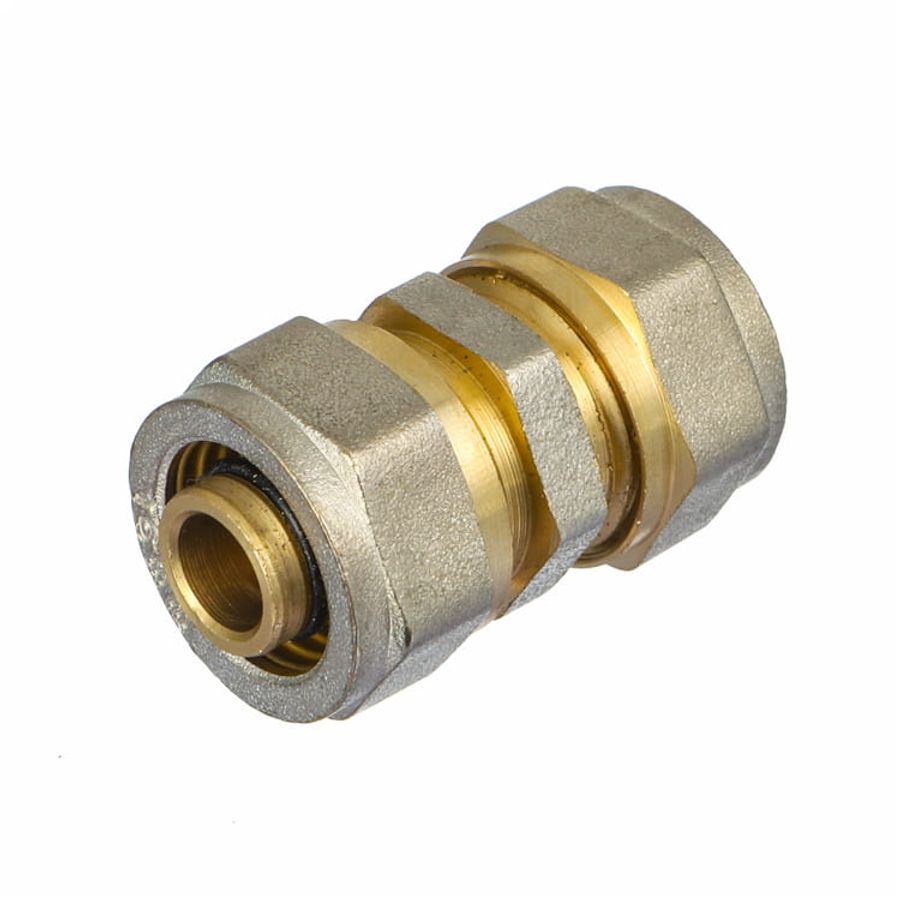
PEX вообще нельзя сваривать, поэтому каждое изменение направления, ответвление и ремонт — это готовый компонент. Обжимные и зажимные соединения сжимают медное или стальное кольцо вокруг вставного штуцера; расширительные соединения растягивают PEX-a на фитинге и позволяют его памяти формы сжать его обратно. Каждый метод требует своего инструмента, и каждый фитинг — это еще одна потенциальная точка утечки в системе. Полный компромисс по инструменту и стоимости описан в PEX обжим против расширения, а семейства фитингов — в PEX фитинги.
Где математика бьет сильнее всего
Асимметрия усугубляется под землей. Петля 16 мм проходит около 100 м, а петля 20 мм — около 120 м. Весь смысл бухтовой трубы в том, что петля прокладывается от коллектора до обратки без ничего закопанного между ними. С PE-RT любое необходимое сращивание сваривается обратно в трубу. С PEX тот же ремонт означает вставные муфты — два новых механических соединения, идущих в стяжку. На открытых участках с множеством фитингов разрыв сужается; на закопанных петлях он только расширяется.
Температурный потолок: классы применения, а не заявления
Сравнение труб по одному числу давления холодной воды ничего не говорит о горячем обслуживании. Обе стороны вопроса PE-RT против PEX труб специфицируются по классам применения ISO 10508. Эти классы представляют собой температурно-временные профили, агрегированные за 50-летний срок службы, при расчетном давлении до 10 бар и температуре воды до 100 °C. Три класса, которые имеют значение для этого решения:
| Класс | Обслуживание | Расчетная основа |
|---|---|---|
| Класс 1 | Горячее водоснабжение | 60 °C в течение 49 лет, пики 80 °C |
| Класс 4 | Теплый пол, низкотемпературные радиаторы | 50-летняя основа, обычно 6–10 бар |
| Класс 5 | Высокотемпературные радиаторы | Пики до 90 °C |
Теперь посмотрите, что на самом деле требует пол. Петли теплого пола работают при температуре подачи 35–45 °C. Поверхность пола ограничена 29 °C в жилых зонах, 33 °C в ванных комнатах и 35 °C в краевых зонах. По сравнению с этими числами оба материала имеют большой запас — именно поэтому температура не определяет выбор для теплого пола, и поэтому свариваемость и стоимость получают возможность решать.
Дополнительный запас PEX окупается в другом месте. Это означает горячее водоснабжение в условиях класса 1 и линии подачи радиаторов к классу 5, где расчетные температуры превышают то, что когда-либо видит пол. Один момент дисциплины для покупателей: оба материала теряют давление с повышением температуры, поэтому сравнение номинала холодной воды с номиналом горячей воды — это нечестное соревнование. Спрашивайте класс применения и расчетное давление вместе. И проверяйте технический паспорт конкретной трубы, прежде чем продвигать любую линию к классу 5, поскольку способность класса сертифицируется для каждого продукта, а не для семейства материалов.
Закупаете трубу для теплого пола для перепродажи?
IFAN производит PE-RT (тип I/II), PEX-a и силанольный PEX-b в том же диапазоне бухт 16–32 мм, с кислородным барьером EVOH и заводскими сертификатами на каждую партию. Один контейнер может вмещать как стандартный, так и премиальный класс.
МОQ 1 контейнер · смешанные размеры возможны · OEM/частная марка доступны
Смотреть наши продукты →Почему PE-RT выигрывает на рынке теплых полов
Зайдите на склад любого дистрибьютора теплых полов — и PE-RT обычно занимает больше места. Большинство заказов на PE-RT и PEX трубы для теплых полов попадают сюда по четырем причинам — все они механические и денежные.
Монтаж, который ускоряет установку
PE-RT — самый мягкий представитель семейства, что обеспечивает более плотные изгибы, меньше фитингов для изменения направления и более легкую укладку на холодном объекте. Бухта PE-RT от IFAN охватывает диапазон 16–32 мм с толщиной стенки 2,0–4,4 мм и рассчитана на температуру до 95 °C. На странице продукта также указаны морозостойкость и 100% перерабатываемость — практичные свойства для трубы, которая поставляется зимой и десятилетиями живет в стяжке.
Соединения внутри стяжки
Благодаря сварке PE-RT позволяет монтажнику отремонтировать или удлинить петлю и получить снова трубу, а не фитинг. Честный нюанс: на коллекторном конце монтажники обычно используют обжимные или надвижные фитинги. На странице PE-RT IFAN указаны латунные обжимные, латунные надвижные и PPSU варианты наряду со сваркой. Реальная выгода сварки — в скрытой середине петли, где не должно быть никакой механики.
Экономика бухты
PE-RT экструдируется как обычный полиэтилен. PEX требует дополнительной стадии обработки — пероксидной, силановой или электронно-лучевой — плюс более низкие скорости линии. Вот почему бухта PE-RT обычно дешевле PEX при одинаковых размерах, и этот разрыв структурный, а не рекламный. Сочетание более дешевой бухты со сварными муфтами вместо механических фитингов дает еще больший разрыв в стоимости установленной системы, чем разница в цене за метр.
Одно требование одинаково для обоих материалов: кислородный барьер. Закрытые контуры отопления делят воду со стальными котлами, насосами и латунными коллекторами, и DIN 4726 ограничивает проницаемость кислорода до 0,1 мг/(л·сут) при 40 °C. Труба с EVOH-слоем из любого семейства соответствует этому требованию — так что укажите барьер для обоих и рассматривайте PE-RT без барьера как другой продукт. Руководство по трубам для теплого пола охватывает барьер, размеры и проектирование контуров.
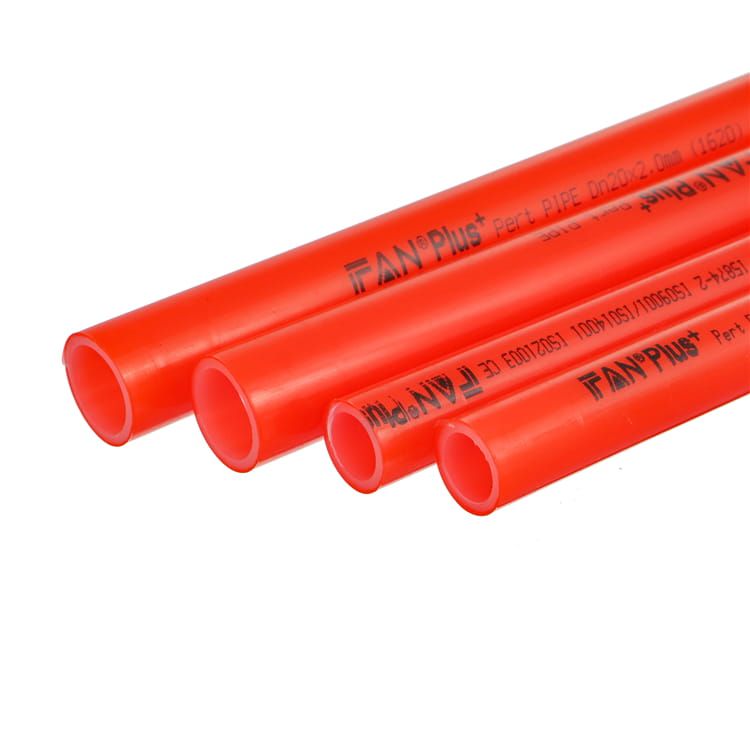
Конкретная версия этого аргумента находится в каталоге продукции IFAN. Бухта PE-RT Hermelin поставляется как HL106-155 (16 × 2,0 мм × 100 м) и HL106-156 (20 × 2,0 мм × 100 м). Обе — из первичного материала класса A+, с 50-летней гарантией. Шестнадцать на два — стандартный размер для жилых теплых полов, так что это SKU, который дистрибьютор держит на складе в большом количестве.
Где PEX все еще выигрывает
История PE-RT выше — это история теплых полов. За пределами этого применения сшитая сеть начинает возвращать свою премию.
Подача высокотемпературной воды остается территорией PEX
Распределение горячей воды и радиаторные линии работают при более высоких температурах, чем любой пол, и более широкий температурный запас PEX — причина, по которой он сохраняет эти спецификации. Это спецификационная конвенция плюс инженерный запас, а не формальный запрет на PE-RT. Но конвенция реальна: проектировщики, инспекторы и страховщики по умолчанию доверяют тому, что принято десятилетиями кодов. Проверьте сертифицированный класс трубы перед заменой в любом направлении.
Восстановление после перегиба и морозостойкость
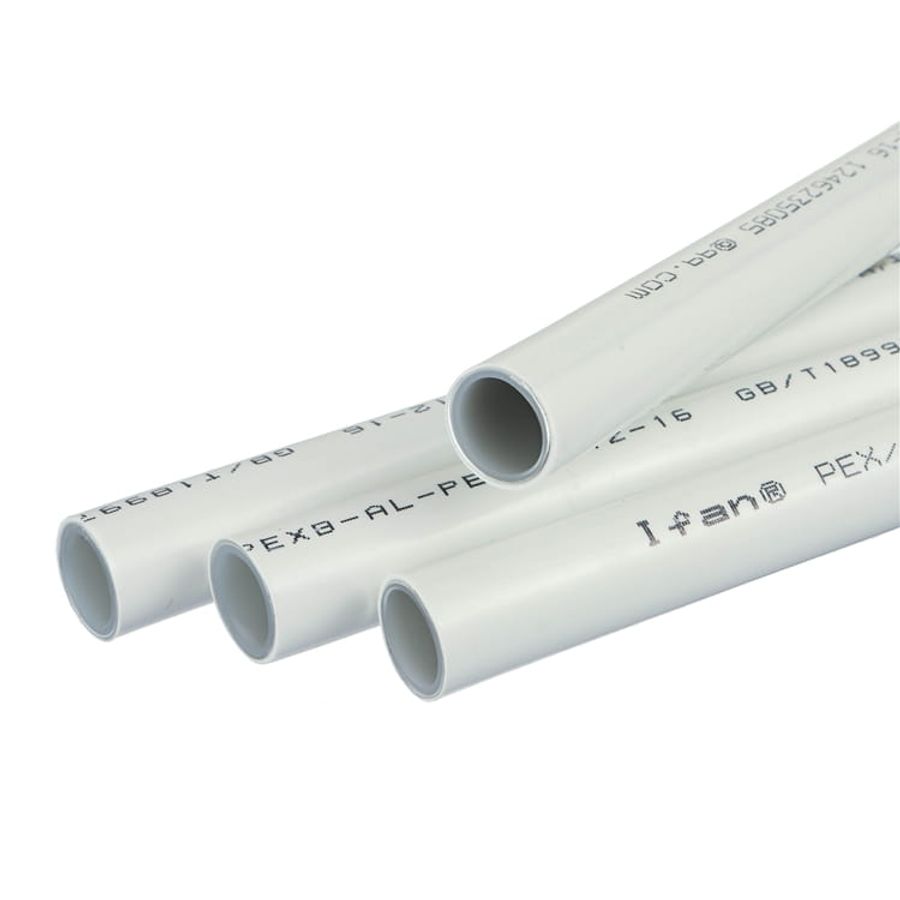
Перегните отрезок PEX-a — и обычно можно вернуть ему форму тепловым пистолетом — это память формы высокосшитой сети. Перегните PE-RT — и вы вырезаете его и ввариваете новый кусок. При реконструкции с крутыми углами и длинными протяжками прощение PEX-a экономит время и фитинги. Бухта PEX-a от IFAN сшита пероксидом и рассчитана от −40 °C до 110 °C, с минимальным радиусом изгиба, равным пяти диаметрам. Она имеет сертификаты по ASTM F876/F877, NSF/ANSI 61 и ISO 15875. PEX также лучше переносит расширение при замерзании, чем жесткие трубы — хотя ни одна пластиковая труба не является пуленепробиваемой, и это утверждение никогда не следует писать абсолютным.
Наконец, инерция. На рынках, где PEX имеет тридцать лет кодов, фитингов и обученных монтажников, переключение всей мышечной памяти отрасли стоит дороже, чем экономия на бухте. Запасайте то, что реально продается на вашем рынке.
Из чего на самом деле состоит разница в цене
«PE-RT дешевле» повторяется везде и не объясняется почти нигде. Разрыв состоит из двух компонентов, и дистрибьюторы должны обсуждать их отдельно.
Первый компонент — сама труба: смола плюс конверсия. PE-RT полностью пропускает стадию сшивки, поэтому стоимость его переработки — это обычная экструзия полиэтилена. PEX требует химии на основе пероксида или силана, а также времени выдержки на этой стадии. Второй компонент — соединение. Каждое механическое соединение PEX добавляет механический фитинг — латунный или из инженерного полимера — плюс кольцо и время на инструмент; сварное соединение PE-RT добавляет один литой муфтовый фитинг. На проекте с сотнями петель количество фитингов — это отдельная статья затрат.
| Элемент затрат | PE-RT | PEX |
|---|---|---|
| Процесс экструзии | Стандартный, без стадии сшивки | Плюс стадия пероксида/силана/электронного луча |
| Типичное соединение | Литая муфта для сварки | Механический фитинг плюс кольцо |
| Инструмент | Сварочный аппарат | Обжимной или расширительный инструмент в зависимости от метода |
| Ремонт в стяжке | Вырезать, сварить, готово | Вставить муфты, два соединения |
Ни один из материалов не имеет опубликованных заводских цен — реальные цифры зависят от объема контейнера, размерного ряда и наличия барьерного слоя, и любое серьезное предложение формируется по запросу. Что дистрибьютор может заложить структурно: IFAN производит PE-RT (тип I/II), PEX-a и силановый PEX-b в одном диапазоне змеевиков для теплого пола 16–32 мм. Завод экструдирует трубы с 1993 года, минимальный заказ — один контейнер, допускается смешивание размеров. Это означает, что один заказ может включать большой объем PE-RT 16 мм вместе с пробной партией PEX-a и комплектом коллекторов — без необходимости выделять целый контейнер под один тип трубы.
Что запасать и что указывать в проекте
Все сравнение PE-RT и PEX сводится к двум правилам — одно для склада, другое для проекта.
| Область применения | Выбирайте | Почему |
|---|---|---|
| Новое строительство, теплый пол в стяжке | PE-RT с EVOH-барьером | Дешевле змеевик, сварные соединения, самый мягкий монтаж |
| Реконструкция, тесные углы | PEX-a | Восстановление формы после перегибов |
| Горячее водоснабжение | PEX | Больший запас по классу 1 |
| Подводки к радиаторам | PEX (проверить класс) | Более высокие расчетные температуры |
| Смешанный контейнер, новый рынок | Оба типа, цветовая маркировка | Глубина ассортимента плюс премиальное покрытие |
Держите на складе глубокий запас PE-RT — змеевик 16×2,0 мм с кислородным барьером является основным SKU — и PEX-a как премиальную линейку для реконструкций и высокотемпературных применений. На объекте указывайте в проекте и держите маркировку по цветам, чтобы замена в стяжке была видимой, а не скрытой. И независимо от маркировки, требуйте подтверждения в котировке: стандартное обозначение, класс применения, тип барьера, длина змеевика и гарантия в письменном виде. Гарантия 50 лет — это ориентир, который устанавливает змеевик IFAN Hermelin PE-RT, и это справедливый вопрос к любому поставщику.
Вывод укладывается в три строки. PE-RT выигрывает в полу, потому что сваривается, гнется и дешевле в производстве. PEX сохраняет позиции в горячем водоснабжении и реконструкциях, потому что его сетка выдерживает более высокие температуры и восстанавливает перегибы. Дистрибьютор, обслуживающий оба направления, закупает оба типа на одном заводе.Ознакомьтесь с полным ассортиментом IFAN для теплого пола и PEX — змеевики PE-RT, PEX-a и PEX-b, фитинги и коллекторы — и соберите смешанный контейнер под ваш реальный рынок.
Часто задаваемые вопросы
Можно ли сваривать PEX трубы нагреванием?
Нет. Сшивка превращает PEX в сетчатый полимер, который нельзя переплавить, поэтому каждое соединение PEX — механическое: обжим, зажим, расширение или пресс. PE-RT можно сваривать именно потому, что он остается термопластичным.
Какую температуру выдерживает труба PE-RT?
Труба PE-RT для теплого пола соответствует классам применения ISO 10508 и подходит для класса 4 (напольное отопление); змеевик IFAN PE-RT рассчитан на непрерывную температуру до 95 °C. Для высокотемпературного снабжения сначала проверьте сертифицированный класс трубы в техническом паспорте.
Дешевле ли PE-RT, чем PEX?
В целом да. Экструзия PE-RT пропускает стадию сшивки, необходимую для PEX, а сварные муфты стоят дешевле обжимных или расширительных фитингов. Точные цены рассчитываются по запросу — объем контейнера, размерный ряд и наличие барьерного слоя влияют на цифру.
Можно ли смешивать PE-RT и PEX в одной системе?
Да, через механические переходные фитинги — никогда не сваривайте, так как материалы разные. Держите каждый контур однородным и переключайтесь на коллекторе, где оба типа заканчиваются механическими соединениями.
Какая труба лучше для теплого пола?
PE-RT — основной выбор для новых стяжных систем: самый мягкий монтаж, сварные соединения и более дешевый змеевик. PEX-a оправдывает свою премиальную цену при реконструкциях и в тесных углах, где окупается восстановление формы после перегибов.
Какой срок службы у трубы PE-RT?
Система ISO 10508 основана на расчетном сроке службы 50 лет при номинальной температуре и давлении. Змеевик IFAN PE-RT для теплого пола имеет гарантию 50 лет — требуйте от любого поставщика письменного подтверждения.