
Gate Valve Manufacturer: How to Vet a Factory
A real gate valve manufacturer names the standard that fits your valve and runs ISO 5208 shell and closure tests. Standards checked 27 September 2026.
Three quotes for the same 1/2 inch gate valve arrive: one cites API 600, one cites EN 1171, one cites nothing. None of the three is telling you whether it makes the valve.
A gate valve manufacturer worth shortlisting does three things a trader rarely does. It names the product standard that actually governs the valve family you are buying (for threaded brass that is EN 12288:2010 or MSS SP-80-2019, not API 600). It runs the ISO 5208:2015 shell test and low-pressure gas closure test on every valve and will put that on the purchase order. And it states MOQ, lead time and sample terms in writing, per size.
Key Takeaways
- API 600 and API 602 are steel valve standards for petroleum and gas; on a brass water valve quote they are a scope error.
- EN 1171:2015 covers cast iron gate valves from DN40 upward with flanged, socket or spigot ends, not threaded DN15.
- ISO 5208:2015 requires a liquid shell test and a low-pressure gas closure test for gate valves, 15 seconds each at DN50 and below.
- A test certificate is owed only when the purchase order asks for it.
- Ask for MOQ, lead time and weight per size in writing before comparing prices.
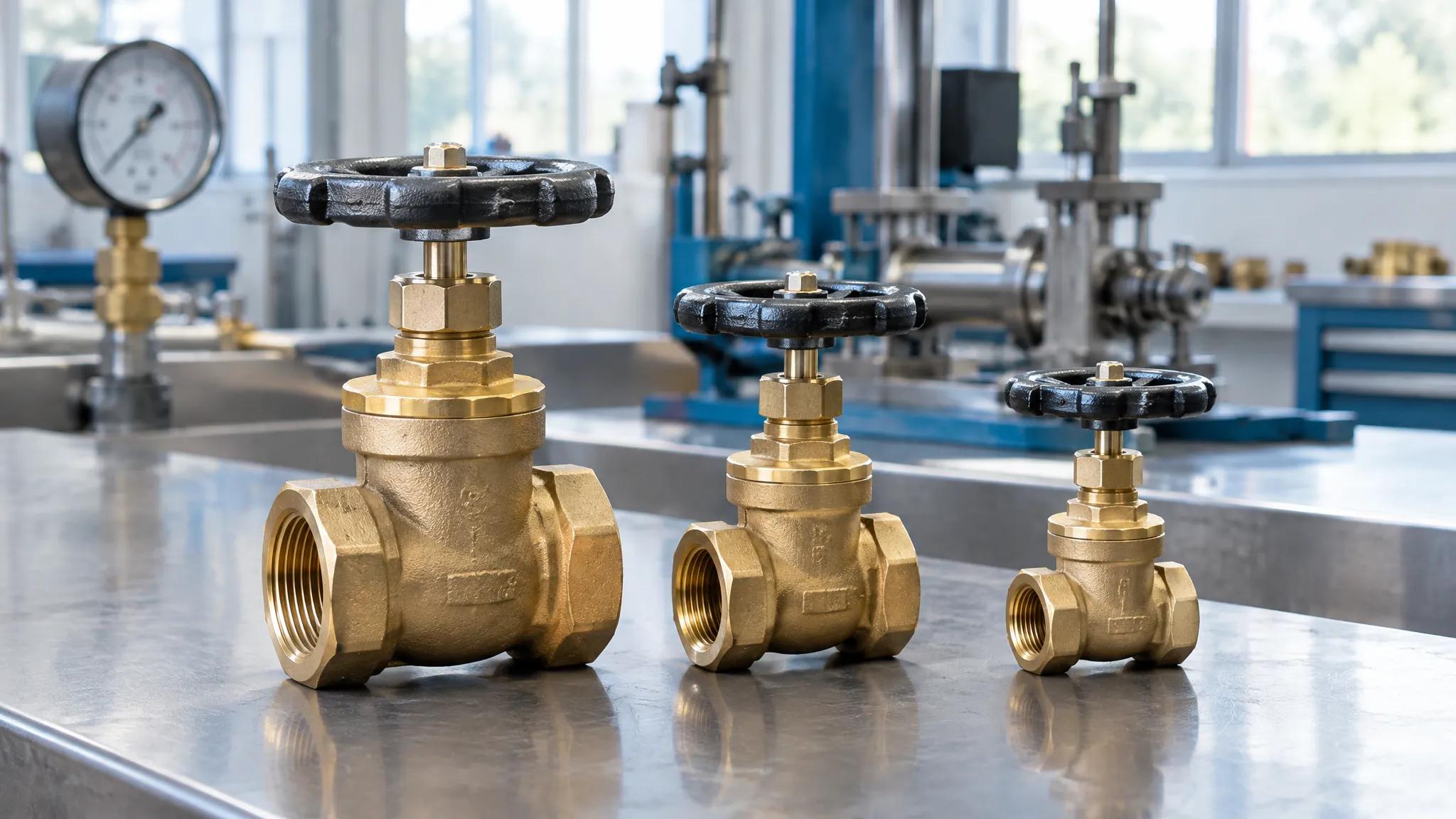
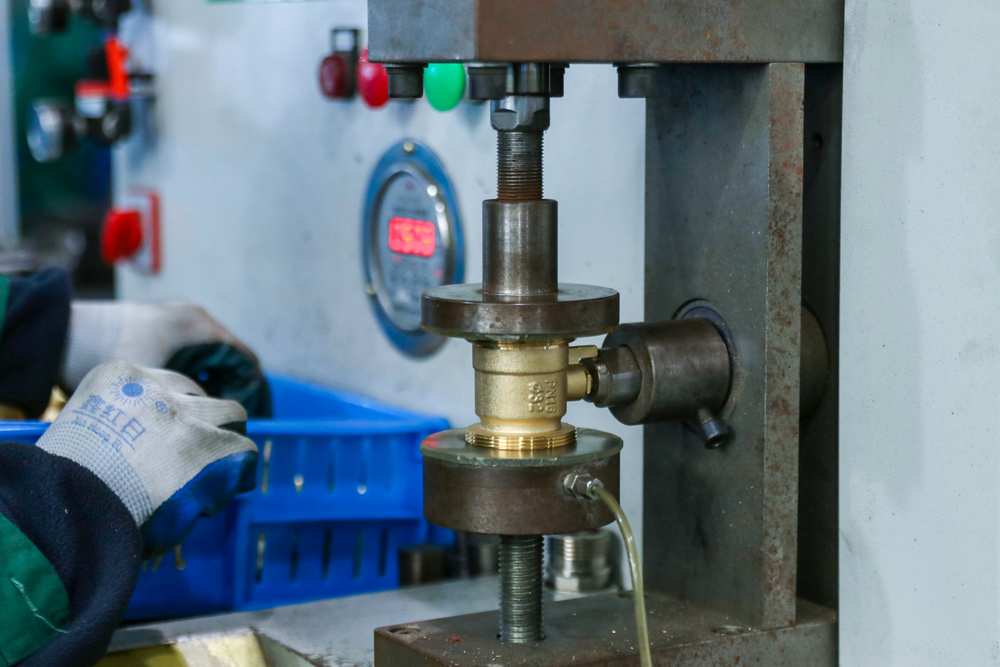
It helps to see what a hydrostatic pressure test on a gate valve looks like on the bench before you write one into a purchase order.

Which Standard Should a Gate Valve Quote Cite?
Start with the valve family, then check the standard against it. Most mismatched quotes fail here, before price is even discussed. A supplier who lists every standard it has heard of, whatever the body material, is usually reselling a catalogue it did not write.
| Valve you are sourcing | Product standard (current edition) | Scope (DN / rating) | Verdict for a brass small-bore buyer |
|---|---|---|---|
| Copper alloy, threaded or flanged | EN 12288:2010 | DN8–DN500; PN6–PN63, Class 150/300 | Correct for BSP brass gate valves |
| Bronze, general purpose (US) | MSS SP-80-2019 | Gate, globe, angle and check valves | Correct for NPT bronze gate valves |
| Gray iron, flanged or threaded | MSS SP-70-2011 | Gray iron gate valves | Iron body, not brass |
| Cast iron, flanged, socket or spigot | EN 1171:2015 | DN40–DN1000; PN6–PN25 | Wrong citation for threaded DN15 |
| Compact steel, petroleum and gas | API 602, 11th ed. (2022) | DN8–DN100; Class 150–1500 | Wrong citation for brass water valves |
| Steel, bolted bonnet | API 600, 14th ed. (2021, errata 2024) | Flanged or butt-welding ends | Wrong citation for brass water valves |
The decision is short. Brass or bronze threaded valve: expect EN 12288:2010 or MSS SP-80-2019, plus the potable-water approval of your market. Buried waterworks valve: a ductile or cast iron maker, flanged, with EN 1171:2015 or the local waterworks standard. Refinery or gas service: a steel valve maker with API 600 or API 602. Choosing the valve type itself is a separate question, covered in our gate valve specification guide.
The Factory Tests to Put on the Purchase Order
ISO 5208:2015, last reviewed and confirmed by ISO in 2025, sets the pressure tests for metallic valves. For a gate valve up to DN100 (4 inch) at PN 250 / Class 1500 or below, its Table 1 requires two tests on every unit: a shell test with liquid, and a closure test with low-pressure gas. The high-pressure liquid closure test is optional unless your order names it. At DN50 and below each test runs a minimum of 15 s; from DN65 to DN150 it is 60 s.
Two clauses decide whether you ever see the result. The manufacturer owes a certificate of compliance only when the procurement document specifies one (clause 4.13), and a purchaser who wants to witness testing gets at least five working days’ notice. So the order should say, in one line, which standard, which leakage rate, and that a certificate is required per batch. EN 12266-1:2012 is the European twin for PN-rated valves, and API 598 (11th edition, 2023) is the Class-rated equivalent. Our ISO 5208 leakage rate guide gives the exact wording.
IFAN states that every production batch is hydrostatically tested in its CNAS-accredited laboratory. It does not publish which ISO 5208 leakage rate its brass gate valves are released to, so ask for that in writing, as you should from any maker.
Five Checks That Separate a Gate Valve Factory From a Trader
- Forming process. A factory can say whether each size is forged or cast, and where the forging happens. A trader answers “high quality brass”.
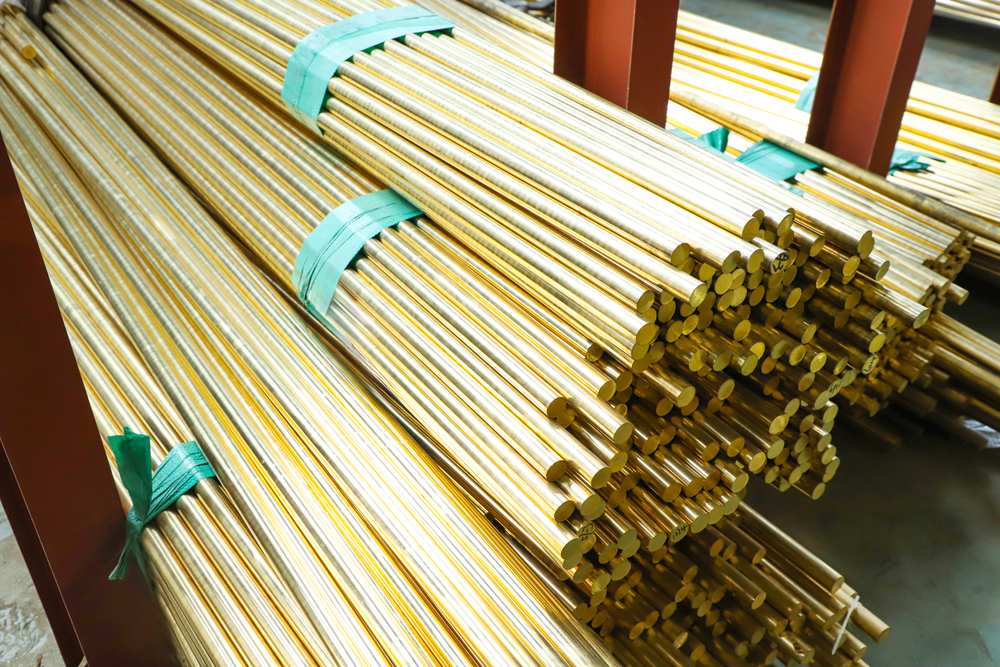
- Alloy on paper. The material certificate should name the grade, such as CW617N, and not just “brass”. See our note on CW617N and lead-free brass.
- Weight per size. Ask for grams per piece. IFAN’s 81300 gate valve weighs 217 g at 1/2 inch, 322 g at 3/4 inch and 509 g at 1 inch, so the 1 inch body carries 2.3 times the brass of the 1/2 inch. A price list that does not climb roughly with weight suggests a lighter body somewhere.
- Batch-numbered test record. A factory can show which batch was shell and seat tested, and on which bench. A trader forwards a generic certificate.
- Packing data. Pieces per carton and cubic metres per carton come from the packing line. IFAN publishes 100, 80 and 50 pieces per carton for the three sizes, at 0.02 CBM each.
| Nominal size | Weight per piece (g) |
|---|---|
| 1/2 in | 217 |
| 3/4 in | 322 |
| 1 in | 509 |
A supplier who cannot answer checks 3 and 5 within a day is probably not holding the product in its own warehouse. If you have the answers from two makers and want a third set to compare, send the size list on WhatsApp.
MOQ, Lead Time and Samples: What to Ask Before You Order
These three answers decide whether a quote is usable, and they vary more between makers than price does. Ask them per size, in writing.
| Ask the supplier | Answer that points to a factory | What drives the number |
|---|---|---|
| Minimum order per size | A number tied to stock or a production run | Stock lines vs private-label tooling |
| Lead time from deposit | Days, split into production and testing | Stock on hand, forging dies, thread standard |
| Weight per size (g) | Grams per piece, per size | Alloy and body wall |
| Pre-order sample | One valve per size, same batch as production | Whether the sample is from stock |
| Price basis | Per piece, per size, with Incoterm | Weight, alloy, forging, testing, packing |
MOQ. Makers that stock brass valves can sell below a container. IFAN sets no minimum order on its stocked brass valve range. Private-label or OEM orders are different: IFAN’s OEM minimum is one container, mixable across sizes and with pipe in the same load.
Lead time. IFAN quotes about 10 days for the stocked brass valve range, against 45 days for its made-to-order extrusion lines. With any maker, the time grows when the order needs new forging dies, a thread standard not in stock (NPT instead of BSP), custom marking, or a market approval the maker does not already hold.
Samples and price. Weigh the pre-order sample, gauge the threads, and pressure-test it yourself before the bulk order. Then compare quotes per piece and per size on the same Incoterm, because weight, alloy, forged or cast body, testing and packing make up the price. The gate valve price benchmark breaks down the metal share.
Where IFAN Fits, and Where We Stop
IFAN makes brass gate valves from DN15 to DN50 (1/2 to 2 inch) with BSP or NPT threaded ends, in CW617N, with forged and cast bodies, plus a PP-R gate valve from DN20 to DN32. The brass range carries CE, ACS, WRAS and SASO approvals under ISO 9001:2015. Details are on the brass valve range page and in the brass gate valve guide.
IFAN does not make steel gate valves to API 600 or API 602, or flanged iron gate valves to EN 1171 or waterworks standards. For refinery, gas or buried mains, shortlist a steel or ductile iron specialist and use Table 1 to check what it cites.
Conclusion
Before the first email, have five things ready. List sizes and quantity per size, and the thread standard. Name the product standard you expect: EN 12288:2010 or MSS SP-80-2019 for brass. State the ISO 5208 tests and certificate you require, liquid shell and low-pressure gas closure at 15 s each up to DN50. Add the approval your market needs, such as WRAS for the UK or ACS for France. Send that list to every shortlisted maker, and compare the answers per size, not the adjectives.
Frequently Asked Questions
What standard applies to a brass gate valve?
EN 12288:2010 in Europe or MSS SP-80-2019 in the US. Pressure testing follows ISO 5208:2015 or EN 12266-1:2012, and the potable-water approval depends on the destination market.
Is API 600 a sign of a better gate valve manufacturer?
Only for steel valves. API 600 covers steel bolted-bonnet gate valves with flanged or butt-welding ends; on a quote for a threaded brass valve it signals the supplier is not matching standards to products.
What tests should every gate valve pass before shipping?
Under ISO 5208:2015, a liquid shell test and a low-pressure gas closure test, each at least 15 seconds at DN50 and below. Ask for the certificate on the order, since it is owed only when specified.
What is a normal MOQ for gate valves?
It depends on stock. IFAN sets no minimum on its stocked brass valve range and one container for OEM or private-label orders. Ask every maker for the figure per size.