
Pipe Coupling Types: Full, Half, Reducing, Slip, Compression, Flexible & Grooved
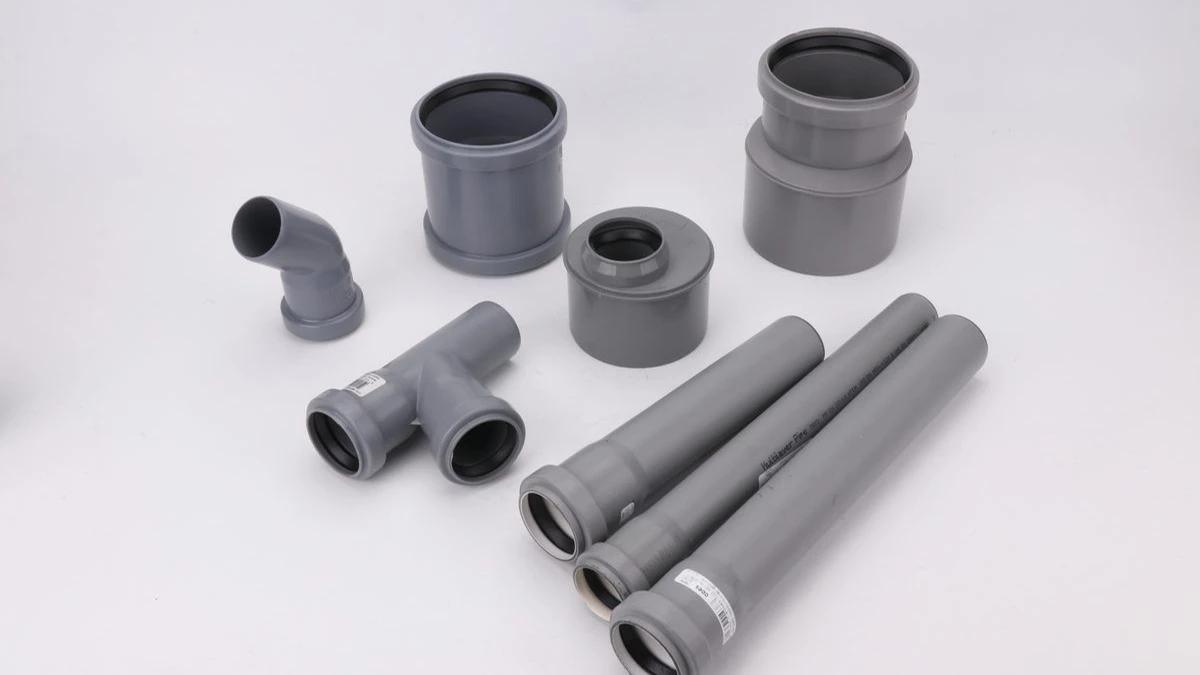
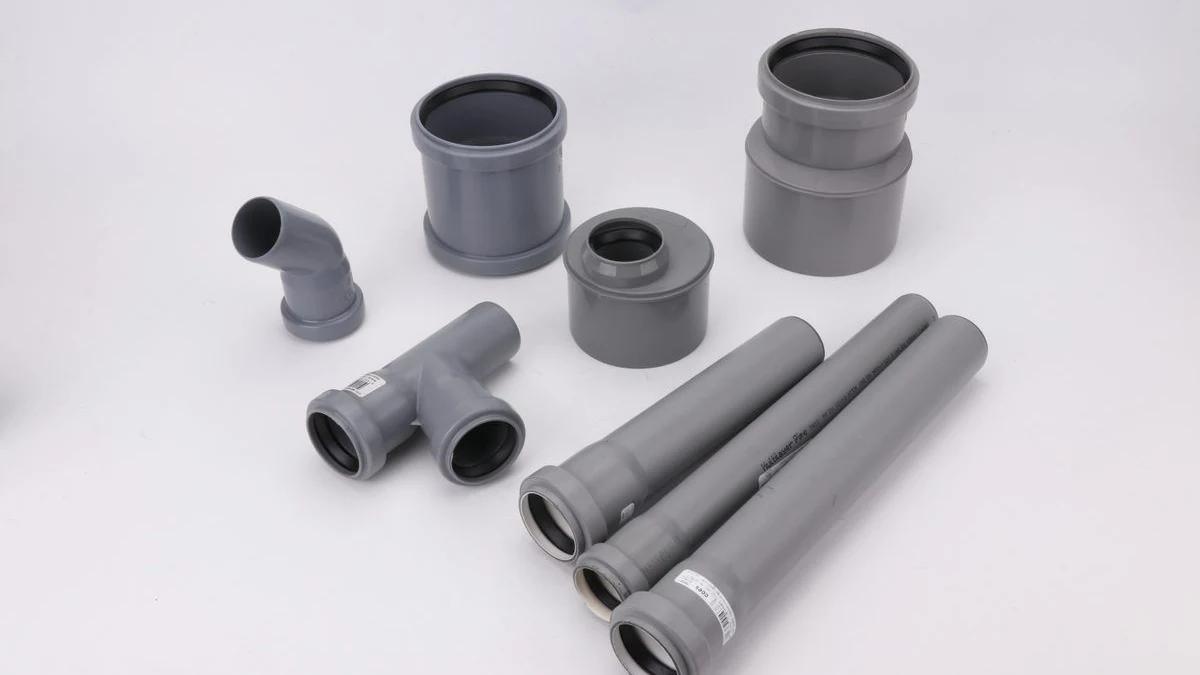
A pipe coupling is the shortest fitting in the catalog and the one every system depends on most: a sleeve that joins two pipe ends into one continuous line. Simple as that sounds, "coupling" covers at least seven distinct designs — full, half, reducing, slip, compression, flexible, and grooved — and each one answers a different question: joining new pipe, tapping a branch, changing diameter, repairing a live line, or connecting without heat, glue, or thread. Order the wrong one and the mistake surfaces at the worst moment, usually as a container of fittings that don't match the pipe standard on site. This guide sorts the types, matches each coupling to its pipe system — PPR, PVC, HDPE, PEX, and threaded metal — and lays out the checks that keep a coupling order compatible with the pipe it has to join.
Couplings are one branch of a bigger family — elbows, tees, unions, and adapters are mapped in the pipe fittings guide; this article goes deep on the joining sleeve itself.
Key Takeaways
- A coupling permanently joins two pipe ends; a union does the same job but unscrews for service — mixing the two up costs you the ability to dismantle.
- Seven working types: full (same size both ends), half (one welded end for branches), reducing (two sizes), slip/repair (no internal stop), compression (mechanical grip, no heat or glue), flexible (rubber sleeve for movement and mixed materials), and grooved (bolted housing on rolled grooves — the fire-protection and HVAC standard).
- The slip coupling has no center stop by design — it slides fully onto one pipe and back over the gap, which is what makes leak repair in place possible.
- Each pipe system has its native coupling: socket-fusion for PPR, solvent or seal-ring for PVC, compression or electrofusion for HDPE, crimp or expansion sleeves for PEX.
- Compression couplings join pipe with a wrench only — the fastest route on poly pipe in the field, and the type to standardize on where fusion tools or power aren't available.
- Specify by pipe standard and outside diameter, not nominal name — "63 mm ISO" and "2-inch Schedule" couplings are different parts that will not interchange.

Coupling, Union, Adapter: Three Fittings, Three Jobs
The three short fittings get confused because they all sit between two pipe ends. A coupling makes a permanent joint: once fused, cemented, or tightened, the line is continuous, and undoing it means cutting. A union makes a serviceable joint: three pieces — two tail ends and a swivel nut — that unscrew so a pump, meter, water heater, or valve can be removed without touching the rest of the line. An adapter changes the connection language: socket to thread, metric to imperial, plastic to metal. The rule for choosing is about the future, not the present: anywhere equipment will someday need to come out, put a union (or a flange); everywhere else, the coupling is cheaper, shorter, and has fewer sealing surfaces to weep. A common site economy — cementing couplings where the drawing shows unions — works until the first pump service, when the saved dollars are spent many times over on cutting and rebuilding the line. The reverse mistake, unions scattered where nothing will ever be serviced, just multiplies gasketed joints that need checking.
The Seven Coupling Types
| Type | What it is | Use it when |
|---|---|---|
| Full coupling | Same connection both ends, center stop inside | Joining two lengths of the same pipe — the default |
| Half coupling | Socket or thread one end, plain weld end the other | Welding a small branch outlet onto a steel main |
| Reducing coupling | Two different sizes in one sleeve | Stepping a feeder down from a supply main |
| Slip / repair coupling | No internal stop — slides fully onto the pipe | Repairing a burst or cut section in place |
| Compression coupling | Nut compresses a ring or grip onto the pipe | Joining without heat, glue, or thread — field work |
| Flexible coupling | Rubber sleeve with clamps (shielded or unshielded) | Drainage repairs, mixed materials, movement/settling |
| Grooved coupling | Bolted two-piece housing seats in grooves rolled into the pipe ends, over a gasket | Fire protection, HVAC, and steel mains — no welding, fast dismantle |
Two of these deserve a closer look because they solve problems the others cannot. The slip coupling is deliberately built without the internal center stop: it slides entirely onto one pipe end, the damaged section is cut out, and the coupling slides back to bridge the gap — the only way to insert a rigid fitting into a line that cannot flex apart. Mark the insertion depth before sliding it home, because without a stop nothing else guarantees the pipe is centered. The flexible (rubber) coupling is the pragmatist of drainage work: it forgives small misalignment, joins dissimilar materials — cast iron to PVC, clay to HDPE — and absorbs ground settlement. Use the shielded version (stainless outer band) wherever code treats the joint as structural; the unshielded band is for unpressurized, accessible locations only. The grooved coupling scales the mechanical idea up to steel and large-bore duty: a groove is rolled or cut near each pipe end, a gasket spans the joint, and a two-piece bolted housing locks into both grooves — no welding, no flange, and the joint unbolts for service. It comes in rigid variants (behaving like a flange) and flexible variants (allowing controlled deflection), which is why fire-protection mains, chiller plants, and pump rooms standardized on it.
The Native Coupling of Each Pipe System
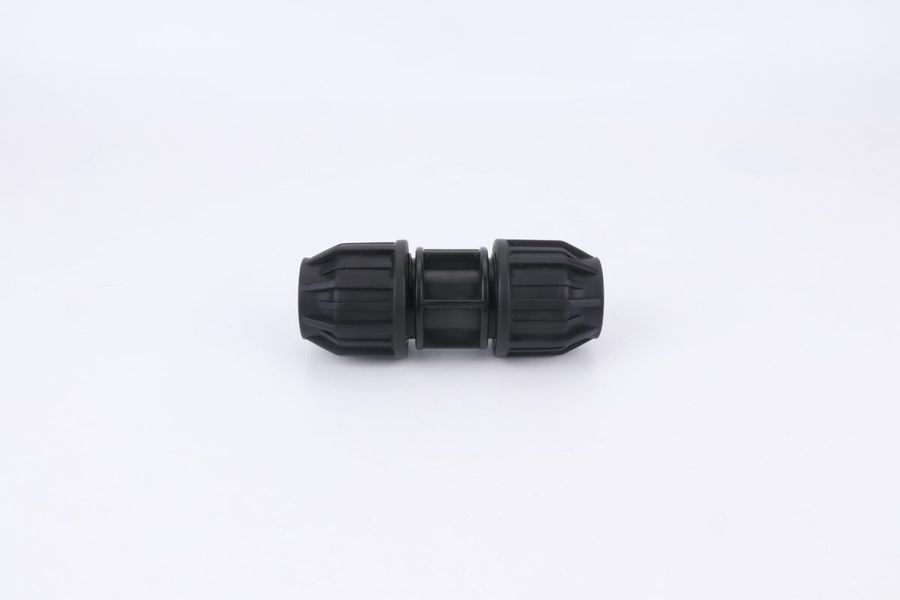
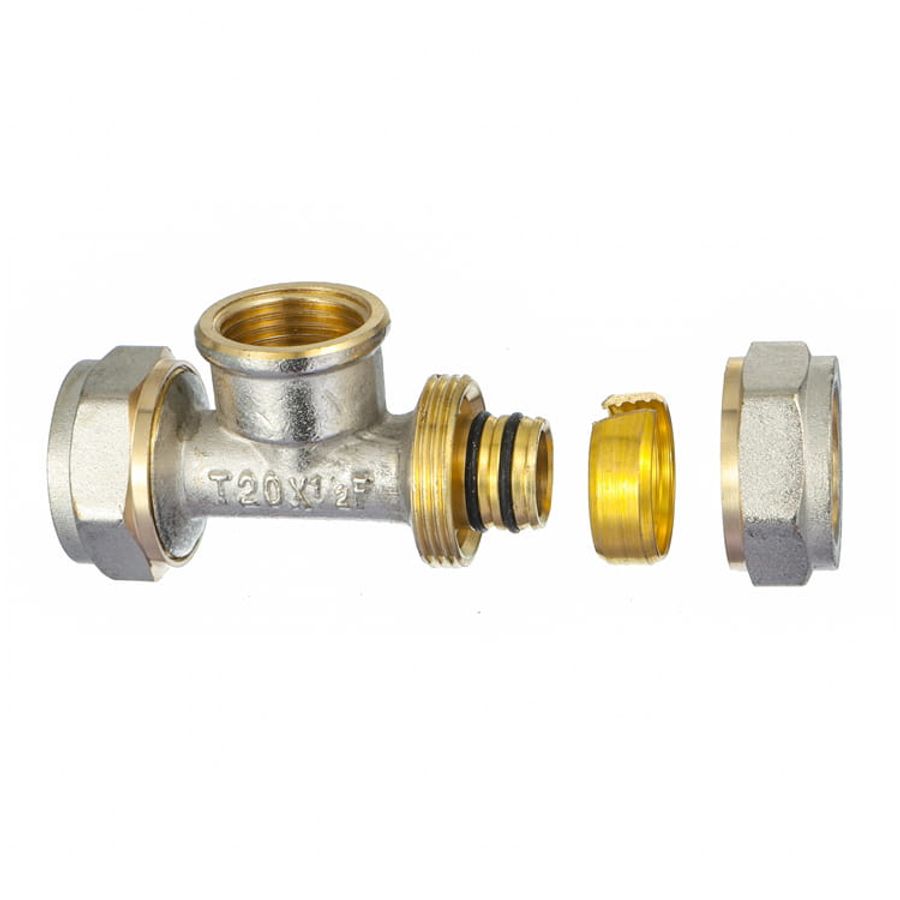
Couplings are not interchangeable across pipe families — each system has a jointing method the material was engineered around, and the coupling is where that method lives. PPR joins by socket fusion: the coupling and pipe end are heated together on a welding iron and pushed home, and the polymer fuses into a joint as strong as the pipe wall itself. PVC and uPVC use solvent-cement sockets in pressure work and rubber seal-ring sockets in drainage. HDPE offers three routes by size and setting: mechanical compression couplings for service lines up to about 110 mm, and butt fusion or electrofusion for mains — the trade-offs between the two fusion methods are covered in the butt fusion vs electrofusion guide, and the wrench-only route in the poly pipe compression fittings guide. PEX cannot be fused or cemented at all, so its couplings are metal or PPSU sleeves secured by crimp rings or expansion sleeves — the crimp vs expansion comparison covers which to standardize on. Threaded metal pipe uses the original coupling: a female-threaded sleeve, sealed on the thread. The practical consequence for a buyer: a coupling order is really a jointing-system order, and the tooling on site — welding irons, cement, crimpers, or plain wrenches — has to match it. IFAN molds and machines couplings across all of these systems — PPR fusion sockets, uPVC solvent and seal-ring, HDPE and 605-series PP compression, PEX sliding-sleeve and crimp, and brass threaded — from one factory with batch certificates per shipment; the product catalog lists each series by size range.
Compression Couplings: The Field-Work Standard
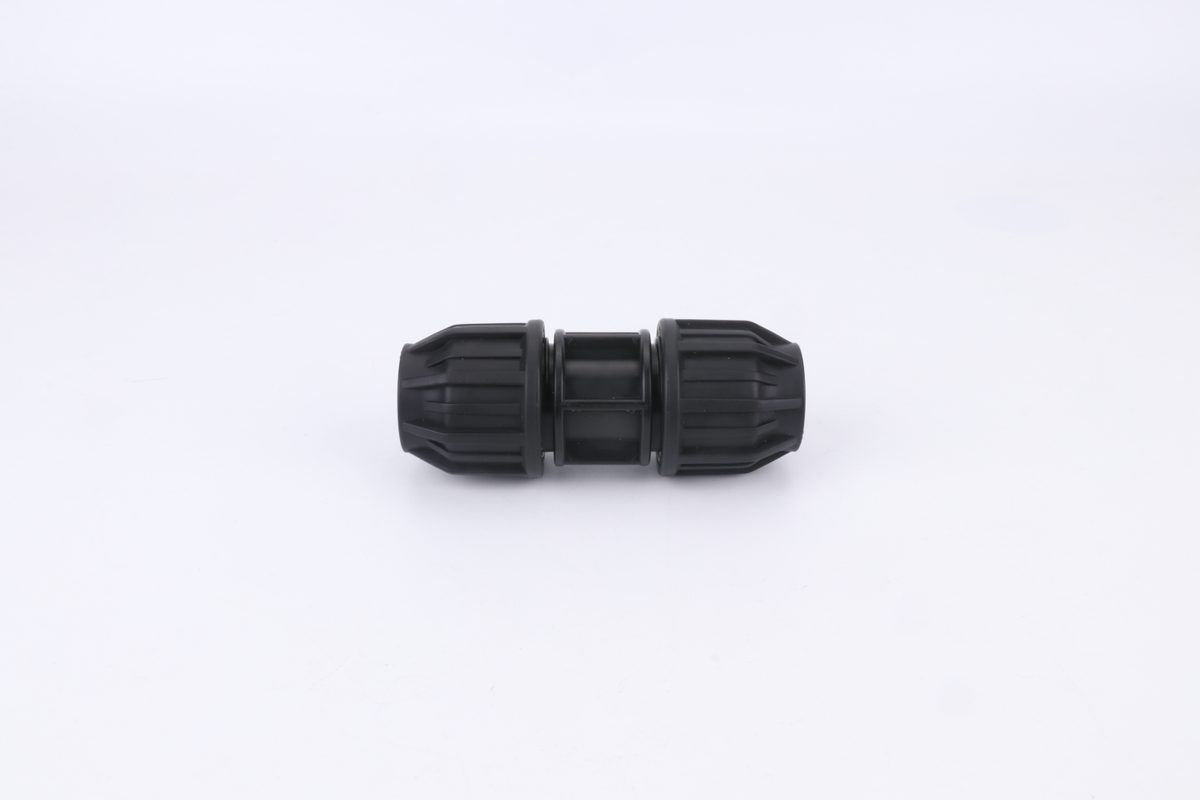
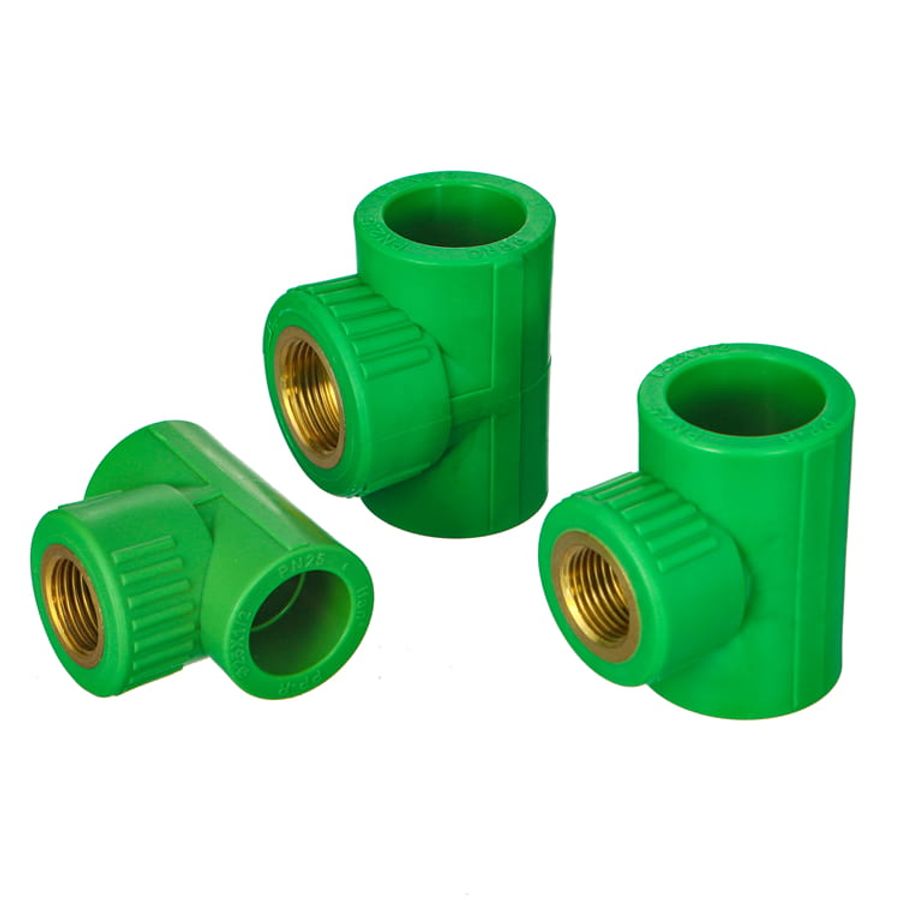
Where fusion tools, power, or trained welders aren't available, the compression coupling carries the job. The mechanism is visible in the exploded fitting: a body, an elastomer seal, a split grip ring, and a nut. Slide the nut and ring over the pipe, push the pipe past the seal to the stop, and tighten — the nut drives the ring down a taper, the ring bites the pipe wall, and the seal energizes against pressure. No flame, no cement cure time, no calibration, and the joint comes apart for re-work with the same wrench. The limits are real and worth respecting: compression joints depend on the pipe being round and clean (cut square, deburr, and use an insert stiffener on soft pipe where the maker specifies one), the grip ring must match the exact pipe material and outside diameter, and above roughly 110 mm the economics and pull-out resistance shift decisively toward fusion. On pipe fitting quality generally, the difference between a coupling that holds for decades and one that creeps loose lives in the details you can inspect: full-depth threads on the nut, a seal that sits in a machined groove rather than floating, and a grip ring that closes evenly. IFAN's 605 PP series is designed around exactly that inspection — the video above shows the adjustment test the fittings run.
Filling a container with fittings?
IFAN manufactures couplings across PPR, uPVC, HDPE, PEX, PP compression, and brass systems — one factory, mixed containers, batch certificates per shipment. B2B wholesale only; tell us your pipe standard and sizes.
Request a QuoteHow to Specify a Coupling Order That Fits
Nearly every coupling failure at the warehouse stage traces to one of four omissions. State the dimensional standard, not just the size. "63 mm" means ISO/DIN metric outside diameter; "2-inch" means a Schedule or IPS system — they are close enough to confuse and far enough apart to leak. Pipe families size differently (copper tube size, IPS, metric OD), and the coupling grips the outside diameter. Name the pipe material and grade. A compression grip ring profiled for HDPE will not hold PEX; a PPR socket will not fuse to PP-H. Match the pressure class. A PN10 coupling on a PN16 line is the weakest point of the system; class-match fittings to pipe. Order the jointing consumables together. Solvent cement and primer with PVC sockets, spare seals and grip rings with compression series, inserts for soft pipe — the parts that stop a container of couplings from waiting on a local purchase. Add ten percent overage on small sizes, where site losses concentrate, and confirm the batch test certificate covers the fittings, not only the pipe.
Common Coupling Mistakes
Cementing a coupling where a union belongs. The first equipment service then requires a saw. Put unions at pumps, meters, heaters, and valves.
Ordering couplings by nominal size across standards. Metric and Schedule parts don't interchange. Specify the standard and outside diameter.
Using an unshielded rubber coupling underground or under load. Unshielded bands are for accessible, unpressurized joints; buried and structural joints need the shielded type.
Skipping the insert stiffener on soft pipe. A compression ring on unsupported thin-wall pipe grips by deforming it; the joint holds at test and creeps later.
Forgetting the depth mark on a slip coupling. With no internal stop, an uncentered slip coupling can leave one pipe end barely engaged — mark both pipes before sliding it back.
Frequently Asked Questions
What is the difference between a pipe coupling and a union?
Both join two pipe ends, but a coupling makes a permanent joint — fused, cemented, or gripped — while a union is a three-piece fitting with a swivel nut that unscrews for service. Use unions at equipment that will need removal (pumps, meters, water heaters, valves) and couplings everywhere else, where their lower cost and fewer sealing surfaces win.
What is a slip coupling and how is it different from a regular coupling?
A slip (repair) coupling has no internal center stop, so it can slide entirely onto one pipe end and then back across a gap. That lets you cut out a damaged section of a rigid line and bridge it in place — impossible with a standard coupling, which needs both pipe ends to enter until they hit the stop. Mark insertion depth on both pipes, since nothing inside the fitting centers it for you.
What are the main types of pipe couplings?
Seven cover almost all work: full couplings (same size both ends), half couplings (one weld end, for branch outlets), reducing couplings (two sizes), slip/repair couplings (no internal stop), compression couplings (mechanical grip, no heat or glue), flexible rubber couplings (movement and mixed materials, shielded or unshielded), and grooved couplings (bolted housings on rolled grooves — the fire-protection and HVAC standard). Each pipe system then implements them in its own jointing method — fusion for PPR, solvent or seal-ring for PVC, compression or fusion for HDPE, crimp or expansion for PEX.
Are compression couplings reliable for permanent installation?
Yes, within their design limits: correct grip ring for the pipe material and outside diameter, pipe cut square and clean, insert stiffeners on soft thin-wall pipe, and sizes up to roughly 110 mm. Above that, and on buried mains, fusion joints (butt or electrofusion on HDPE, socket fusion on PPR) offer higher pull-out resistance and are the standard specification.